







WOLFBOX Brands
WOLFBOX Brands
Purchasing a dash cam for your car is a helpful step for your safety and for peace of mind. Since there are many types of dash cams out there, choosing the right one can feel a bit confusing.
With this guide, you'll learn about different types of dash cams and get a clear idea of what might work best for you. You'll find out about channel setups, mounting styles and special features. This way, you can feel sure about picking the best type of dash cam for your needs. Whether you just want a simple camera for the front or a system that covers many angles, you'll find something that fits your car.
Table of contents
When choosing a dash cam, you first look at the channel setup. This tells you how many cameras are included and which directions they record.
When comparing different dash cams, it's also worth noting the Front vs Rear Dash Cam perspective, which helps drivers understand coverage differences.
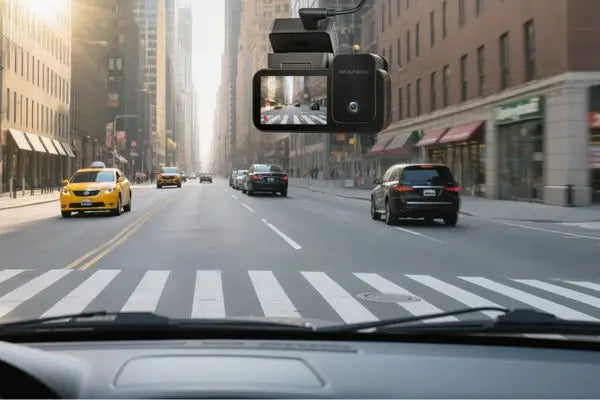
A single-channel dash cam is the easiest kind. You put one camera on your windshield and it records what happens in front of your car. This makes it easy to catch important things like accidents or traffic problems. It's a basic way to keep yourself and your car safe on a daily basis.
Coverage: These dash cams only record the view ahead of your vehicle. They are good for anyone who wants a simple record of their trips and who doesn't need to track what happens at the back of their car. You can count on clear video for anything that happens up front.
Best Use Case: A single-channel dash cam works well for you if you drive to work every day and just need to see what goes on in front. If you want a budget-friendly option and don't need extra cameras, this is a practical way to start protecting your car.
A dual-channel dash cam gives you more peace of mind. It uses two cameras, one for the front and one for the rear view. This means you get a bigger picture if something happens, making it easier to explain what took place if there's an accident or problem. Some dual dash cams record front and inside the cabin.
A rear dash cam is especially useful for documenting what happens behind your vehicle, such as rear-end collisions or parking lot incidents. It complements the front camera to give you a complete record of your drive.
Coverage: This setup lets you capture two essential perspectives of your journey. The front and rear cameras ensure you have clear evidence of everything that happens in front of or behind your vehicle, which can be crucial for documenting accidents or traffic events.
Best Use Case: A front and rear dash cam is ideal for most drivers who want full visibility and detailed footage in case of any on-road incidents or disputes.
Learn more about top-performing models in our blog Top Rated Dual Dash Cam Beats Traditional Options.
Professional drivers often prefer a 3 channel dash cam system to capture the front, rear, and cabin views together. With triple-channel or multi-channel dash cams, you get the most coverage possible. These setups can record from three or more cameras, covering the front, back and inside your car at the same time.
Some advanced systems, such as Wolfbox dash cams, even include a camera for the front bumper, designed especially for off-road enthusiasts who need a clear view of challenging terrain or obstacles ahead.
Coverage: This setup provides nearly 360° visibility around your vehicle. You get complete video protection that captures every angle, making it one of the best options for those who want full situational awareness and safety.
Best Use Case: These dash cams are ideal for off-road drivers, Uber and rideshare drivers, delivery professionals, and RV or large vehicle owners who want comprehensive recording coverage.
Interested in what's best for a cabin setup? Read about choosing the ideal interior car camera.
Channel Type |
Primary Coverage |
Best For |
Single Channel |
Front-facing road |
Everyday drivers who want basic protection and simple setup |
Dual Channel |
Front and rear |
Most drivers, families, and anyone who wants full on-road visibility |
Triple Channel |
Front, rear and cabin/bumper |
Rideshare and delivery drivers, RV owners, and off-road enthusiasts seeking maximum safety coverage |
Once you decide how many cameras you want, the next step is choosing a mounting style.
Many drivers consider the best dash cam to be one that doubles as both a recording device and a smart backup display.
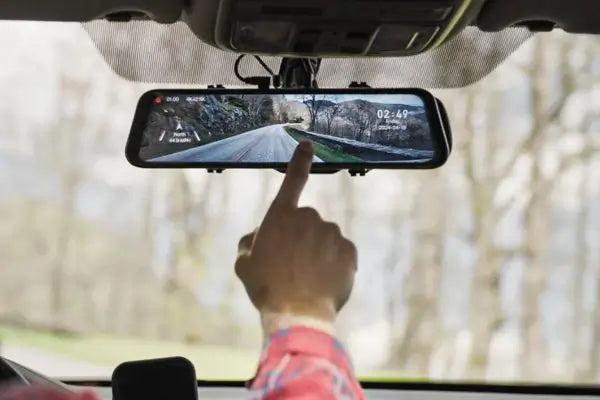
Mirror dash cams are a modern option. These cameras either take the place of or attach to, your current rearview mirror. With a mirror dash cam, you can use a large touchscreen to see a live video from behind your vehicle, which can also help you when you back up or park.
With a digital rear view mirror, you can enjoy a clearer and wider perspective compared to traditional mirrors.
Features: Mirror dash cams are packed with features. Many WOLFBOX models have a big touchscreen and can show you what's happening behind your car in real time. This gives you a wider and clearer view which is especially handy for parking.
Best Use Case: You'll like this type of dash cam if you want smart features and don't want anything blocking your windshield. A mirror dash cam updates your car's look while making your daily drive simpler. If this fits your needs, you can learn more by looking into mirror dash cam benefits.
Want to explore more? Check out our detailed guide on choosing the best mirror dash cam.
If you want something subtle, choosing the best mini dash cam ensures you get great performance in a compact form.
A mini dash cam is small and meant to be hidden. You can put it behind your rearview mirror and most people will not even notice it's there. Even though these cameras are tiny, they still give you great video recording and useful features.
Features: The best part about a mini dash cam is that it doesn't take up much space. Even though it's discreet, many models still record in high definition and include GPS and Wi-Fi. This way, you get lots of recording power in a small device.
Best Use Case: If you do not want anything distracting you or changing how your car looks inside, a mini dash cam is a good option. You can install it and forget about it, but still feel safe knowing it's working every time you drive.
Learn more about the best mini dash cam.
Today's dash cams come with different features to make them more helpful for you. These additions can make your recordings better, help you see more and give you more ways to manage your footage.
A 360 dash cam can show you everything that happens around your car. With this camera, you don't miss anything on any side. You get a full view at all times which helps you feel safe and aware while you're on the road.
How 360° Dash Cams Work: These cameras use more than one lens or sometimes one special lens, to capture everything around your car. The camera system joins these shots together so you can see everything on one screen. This helps you spot things that you would not catch with just a front or back camera.
When all sides are recorded, you won't miss any important details. This is helpful when someone hits your car from the side or does something while you're parked. Having every angle on video can help clear up what happened if you're in a tricky situation.
Best Use Case: A 360-degree camera works really well in the city, where cars and people come from every direction. It also keeps your car safe in busy parking lots. If you want all-around safety for your vehicle, this feature offers you great coverage.
The real 4k dash cam records everything in ultra-clear, sharp detail. This means the images are much clearer than standard high definition, so you can see even the small details in your videos.
Video Quality: Dash cams with 4K resolution show more details like clear license plates, street signs and faces. This helps you if you need to use the footage later, especially when you want to zoom in to see something important.
The biggest plus of a 4K dash cam is the crystal-clear video it produces. If you get into an accident or need to prove something happened, having a sharp and detailed video makes things much easier. It gives you more proof and can help you stay protected.
Best Use Case: 4K dash cams are the best pick for you if you care a lot about video quality. If you drive a lot at night or where lighting changes, you'll notice how clear everything looks. These cams give you the best chance to spot important things while driving.
Want to know which 4K dash cam is right for you? Check out our full comparison guide on the best 4K dash cams for 2025.
A wireless dash cam uses built-in LTE connectivity to automatically upload your footage to the cloud. This means your videos are securely stored online, even if the camera or memory card is damaged. You can view or download your recordings anytime through a connected app.
How They Work: These dash cams connect to the internet using a cellular LTE network. Once activated, the dash cam automatically backs up your videos to the cloud in real time, ensuring your most important footage is always safe and accessible.
With cloud storage, you don't have to worry about losing crucial evidence after an accident or theft. You can access your recordings remotely, review incidents from anywhere, and easily share videos with your insurance provider or the authorities when needed.
Best Use Case: Wireless LTE dash cams are ideal for drivers who value constant connectivity and data security, such as those who travel frequently, manage multiple vehicles, or park in public areas. These models ensure that your footage is protected and available at all times, even when you're away from your car.
After exploring the various dash cam options in this guide, it's clear that different types serve different driving needs and preferences:
No matter your driving style or vehicle type, there's a dash cam setup that fits your needs.
You might ask yourself, what type of dash cam should I buy? Your choice depends on what you need. Think about your type of car, your driving habits, your budget and the features that will help you.
For someone who commutes every day, a dual channel dash cam such as the WOLFBOX G900 pro provides good coverage and value.
For off-road enthusiasts, a triple channel dash cam like the WOLFBOX G900 TriPro with a front bumper camera is ideal. It captures the front, rear, and front bumper views, helping you spot blind spots ahead and record exciting moments during your adventures.
For day-to-day use, a dual channel dash cam that records both the front and back is the best type of dash cam. It gives you coverage for most common road events such as rear-end accidents and usually doesn't cost too much. Good video and a reliable parking mode are both bonuses to look for.
If you drive for a rideshare company, you need a triple channel dash cam with front, rear and cabin footage. Having a cabin camera adds safety, especially with passengers. You'll want night vision in the cabin so you get good video even in the dark.
Mirror dash cams are some of the most popular choices. They're easy to use, blend right into your car's interior and often work as a backup camera too. Many models also include large touchscreens, real-time rearview video, and advanced features like parking monitoring, night vision, and lane guidance, making them both convenient and highly functional for everyday driving.