





WOLFBOX Brands
WOLFBOX Brands
Thinking about your safety on the road often brings a front camera to mind. But what about what happens behind your car? A rear dash cam is a smart way to stay aware of everything around you. This device lets you see and record what happens behind your vehicle. It helps you in many ways—from proof in an accident to peace of mind when you drive. This guide tells you why a rear dash cam is useful and how you can benefit from using one in your car.
Table of contents
Understanding the basics of a rear dash cam helps you get the most out of it. A rear dash cam is a camera that you put on the back window or on the outside of your car. It records the road behind you while you drive or park your car. This camera connects to the main front-facing dash cam. Both cameras work together. The front camera captures everything in front and the rear camera records what's behind.
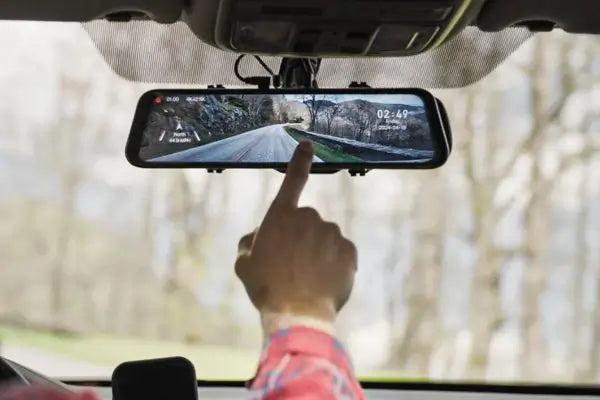
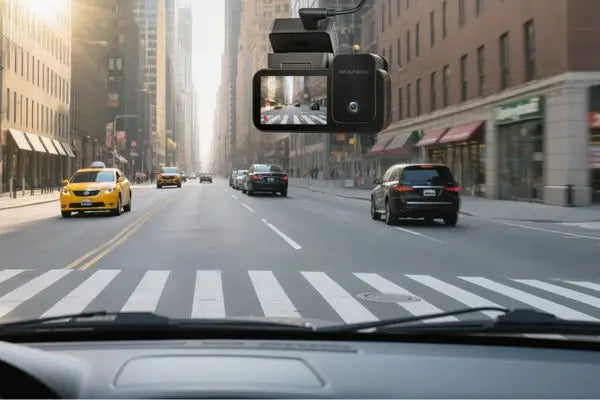
When you ask how does a rear dash cam work, it's simple. The camera at the back sends video to your main dash cam at the front by a cable. The dash cam saves videos from both cameras together, usually on the same memory card. You can watch both views side by side or switch between them. With both cameras, you get a complete story for any moment on the road.
Read more: Front vs Rear Dash Cam
Knowing why you might need a rear dash cam can help you decide if it's right for you.
You can use your rear dash cam to record what happens if a car hits you from behind. Rear-end crashes happen a lot. Your camera records the moment, so you see what speed the other driver was going and what they were doing before the crash. With this video, you can prove who was at fault which helps with your insurance claim or if you need to explain what happened.
Some drivers hit other cars then drive away without stopping. If this happens to you, your rear dash cam can show who did it. It records the license plate and what the car looked like. This information often helps police find the driver. You may not have to pay for the damage yourself, because your camera recorded what you need to know.
When you have a visible camera on your rear window or bumper, other drivers may behave better. They see your camera and are less likely to follow you too closely or act in anger. If something happens, you have video proof of the other driver's actions. You can share this with the police if you must report aggressive driving.
When you park your car, things can happen you don't see. Other drivers may bump your car or scrape it as they park or leave. Many dash cams have a mode that keeps working even when your car is off. With a rear dash cam, you learn who caused any damage behind your car, even if you are not there when it happens.
A front & rear dash cam setup gives you more protection than recording only the front view. Both cameras work together to show what happened on the road.
If something happens on the road, you can use both cameras to see each step before, during and after the event. When both cameras record, you watch both views and put together a full timeline. If you had to brake hard and were then hit from behind, the videos show both actions. You have clearer proof to support your story.
Accidents can involve more than one car or be hard to figure out. With recordings from both the front and back, you can show all sides of the event. This helps insurance workers, the police or anyone else see what really happened. It protects you if someone tries to blame you unfairly.
Parking in public places can sometimes lead to accidents or damage when you are not in the car. With a front & rear dash cam, your car is watched from both ends. If someone scrapes or dents your bumper, you have a recording of it. This not only helps you see what happened but also makes some people think before causing trouble around your car.
You feel calmer when you know both ends of your vehicle are covered. You can drive or park without having to worry about missing important details. If something happens, you can use your video proof. This brings you comfort every time you are behind the wheel or leave your car alone.
Looking at different dash cams can give you lots of choices, but some features matter the most. With the right dash cam with rear camera, you feel more confident about your safety and the quality of your recordings. You should keep these important features in mind while you shop for one.
You want a dash cam that records a clear picture. 1080p Full HD resolution is the minimum for sharp video from both cameras. A high resolution means you can see things like license plates and faces. Some top models, like the ones from Wolfbox, use a higher resolution for the front and still give you great quality at the back.
Night or low-light moments can cause trouble for normal cameras. A camera with good night vision helps you see even in the dark. Features like the Sony STARVIS sensor help with this. Many Wolfbox rear cameras also have Wide Dynamic Range (WDR) which balances lights and shadows. That way, you always have a good view, no matter the hour.
If you plan to put your rear camera on the outside of your car for a better view, it needs to handle rain and heat. Make sure your camera stays dry (look for one rated IP67 or better) and can stand up to hot weather. You want your camera working whether it rains, snows, or the sun shines brightly.
A camera with a wide view lets you see more of what happens behind your car. Around 140 degrees is a good choice. This view covers several traffic lanes and shows anything happening out to your sides. The more you can see, the fewer details you will miss.
Wolfbox offers front and rear dash cams you can trust. If you want all-around protection with simple controls and clear features, some models stand out. These are easy to use and work well for new and experienced users alike.
The Wolfbox G900Pro is a top pick for users who want high-quality video in a rear dash cam and front camera setup. With its wide 12-inch screen and strong video quality, you see both views easily.
Feature |
Specification |
Resolution |
Front 4K + Rear 2K |
Display |
12" IPS Touch Screen |
Field of View |
Front 170° + Rear 150° |
GPS |
Built-in |
Parking Mode |
24-Hour |
Special Feature |
Voice Control |
The Wolfbox G900 dash cam blends a large display with sharp recording. This model fits neatly into your car and captures both the front and rear, giving you peace of mind and good video reviews.
Feature |
Specification |
Resolution |
Front 4K + Rear 2.5K |
Display |
12" IPS Touch Screen |
Field of View |
Front 170° + Rear 150° |
GPS |
Built-in |
Parking Mode |
24-Hour Protection |
Special Feature |
WDR Night Vision |
The G850Pro dash cam is a great choice if you want extra support on the road. This advanced dash cam comes with ADAS and smart driving alerts to make every trip safer and more convenient. It provides all-around protection by monitoring the road and notifying you of potential hazards.
Feature |
Specification |
Resolution |
Front 2.5K + Rear 1080P |
Display |
11" IPS Touch Screen |
Field of View |
Front 170° + Rear 150° |
GPS |
External Module |
Parking Mode |
24-Hour Monitoring |
Special Feature |
ADAS Safety Alerts |
If you have not set up a rear dash cam before, you might wonder how to do it. With the right steps, you can mount your rear camera and connect it for the best view. Installing your rear dash cam outside your car, close to the license plate that will help you get a wide and clear video.
Pick the spot above your license plate for the best and most stable picture. Place the camera where you want it and use your main dash cam screen to check the view. Make sure it gives you a straight and wide look at the road behind you before fixing it in place.
Use screws, a bracket or strong tape to fix the camera. If you use screws, be careful not to drill into wires or pipes. Make sure the camera does not shake or move so your videos are always clear and steady.
Run the camera cable into your trunk and forward to the dash. You can tuck it under trim or panels inside your car. Use plastic tools to gently open panels so you do not damage your car's inside. Hide the wire well to keep everything neat and safe.
Plug the rear camera cable into the main dash cam at the front. There will be a label or slot for it. Turn on your car to see if the camera view appears on the screen. Check that everything works before closing up any panels you opened.
Some rear cameras let you link them to your car's reverse light. When you put your car into reverse, the camera view switches on the screen. If yours has this feature, connect the camera wire to your reverse light wire. You can find this wire in your car's owner's manual or ask a professional for help.
For a More Detailed Guide: How to Install a Rear Dash Cam in Your Car
You might ask yourself how important is a rear dash cam. A rear dash cam is one of the best ways to look after yourself and your car. With full video proof, you avoid false blame and can back up your story in an accident. You gain comfort knowing you can see behind you and have both ends of your car protected. When you choose a model like the WOLFBOX G900Pro, you get peace of mind.
1. Is a rear dash cam necessary?
You do not have to get one by law, but a rear dash cam gives you much better safety. It records what happens behind your car—things you won't see with just a front camera. This can help with insurance claims and any time something happens when you are parked.
2. How important is a rear dash cam?
A rear dash cam is very important if you want to protect your car fully. It helps tell the full story when accidents happen and can catch the people who hit your car and leave. A rear dash cam gives you answers and proof quickly.
3. Does a rear dash cam work with tinted windows?
A rear dash cam can still record through tinted glass, but very dark tints might make the video less clear. If you want the best video, you should install the camera outside your car.
4. What is the difference between a 1-channel and 2-channel dash cam?
A 1-channel dash cam only records forward. A 2-channel dash cam records both the road ahead and the road behind with two cameras. A front & rear dash cam covers all angles you need for safety and gives you stronger evidence if you need it.