







How does wireless dash cam work?
In the fast-paced world of dash cam technology, wireless dash cams have become a game-changer, providing both convenience and advanced features to users. In this blog, we'll delve into the mechanics of how these wireless dash cameras operate and explore the benefits of the Wi-Fi feature in dash cams. Whether you have a Wi-Fi-enabled dash cam or one without this feature, we've got you covered. We'll also introduce you to the world of Wolfbox dash cams and how they fit into this wireless landscape. So, let's dive in.
How Does a No Wi-Fi Feature Dash Cam Work?
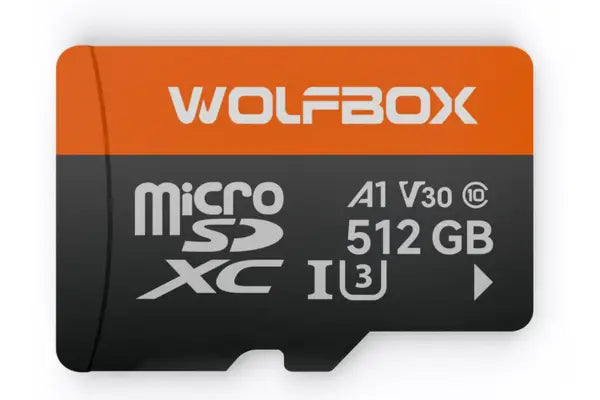
Dash cams without Wi-Fi features rely on conventional storage methods, typically using SD cards. Here's how they operate:
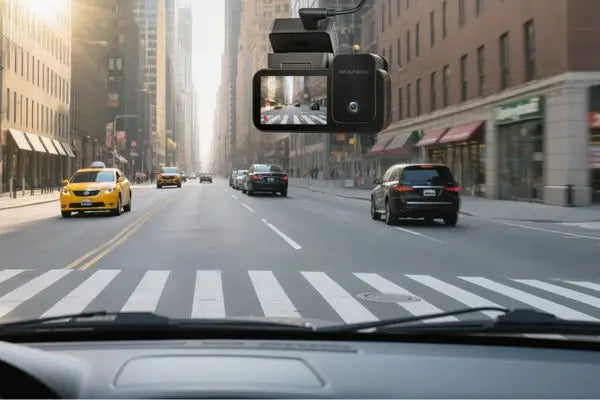
1. Recording and Storage: As you drive, your dash cam records video footage, capturing everything that happens on the road. This recorded video is stored on the inserted SD card. The dash cam continuously records, and when the card is full, it typically loops back to record over the oldest files.
2. Accessing the Footage: To view or transfer the recorded videos, you have a couple of options. The most common way is to remove the SD card from the dash cam, which is usually easily accessible, and then insert it into your computer or another device with an SD card reader. Alternatively, some models allow you to connect the dash cam directly to your computer via a USB cable.
This method may not offer the convenience of wireless transfer, but it's a reliable and straightforward way to access your recorded videos. There's no need to worry about wireless connections; you can simply plug and play.
Exploring Wi-Fi in Wolfbox Dash Cams
Wolfbox is no stranger to the world of advanced dash cams, and they've incorporated Wi-Fi seamlessly into their models for enhanced user experience. Here's how it works with a Wi-Fi-enabled Wolfbox dash cam:
App-Based Connection: First, you'll need to download the Wolfbox app, which is available for both Android and iOS. Once it's installed on your smartphone, turn on the Wi-Fi feature of your Wolfbox dash cam.
Establishing the Connection: Open the Wolfbox app and follow the setup instructions to connect your smartphone to the dash cam. This is usually a straightforward process, and once it's done, you'll have a wireless link to your dash cam.
Video Transfer with Ease: With the app connected to your dash cam, transferring videos becomes a seamless process. You can access, view, and transfer recorded footage directly to your smartphone with just a few taps on the app.
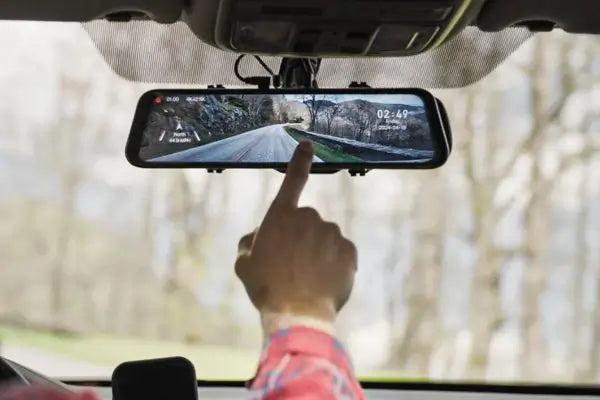
Instant Playback and Real-time Monitoring: Your Wolfbox dash cam's Wi-Fi feature allows for instant video playback. This is particularly helpful if you need to show recorded footage to authorities, your insurance company, or simply want to relive a memorable road trip. Some models even offer real-time monitoring, letting you view a live feed of your vehicle's surroundings.
Effortless Settings Control: Making adjustments to your Wolfbox dash cam's settings is incredibly user-friendly. You can tweak configurations conveniently through the Wolfbox app, eliminating the need to access the physical device.
Wolfbox's Wi-Fi-enabled dash cams streamline the process of accessing and managing your recorded videos, enhancing both convenience and functionality. Now you can enjoy the benefits of a Wi-Fi dash cam with a trusted brand like Wolfbox.
This Wi-Fi functionality is a testament to how dash cam technology is evolving to provide drivers with greater ease of use and advanced features. It makes managing your dash cam and its recorded content simpler and more efficient, helping you harness the full potential of this valuable device.
Conclusion
In conclusion, wireless dash cams have changed the game when it comes to ease of use and accessibility of your recorded footage. The choice between Wi-Fi and non-Wi-Fi models ultimately depends on your personal preferences and how you want to interact with your dash cam. Each has its advantages, and the goal is to provide you with the tools to make an informed choice that matches your requirements for convenience, safety, and peace of mind on the road.
So, whether you prefer the simplicity of no Wi-Fi dash cams or the connected world of Wi-Fi-enabled models, the evolving technology in dash cams ensures you're well-equipped to capture and manage your driving experiences effectively. Stay safe out there on the road!
Related Posts

The Road Is Better When It's Shared: Ted and Carla's Story

WOLFBOX Lab Tour: Behind the Scenes of Automotive Product Testing
