








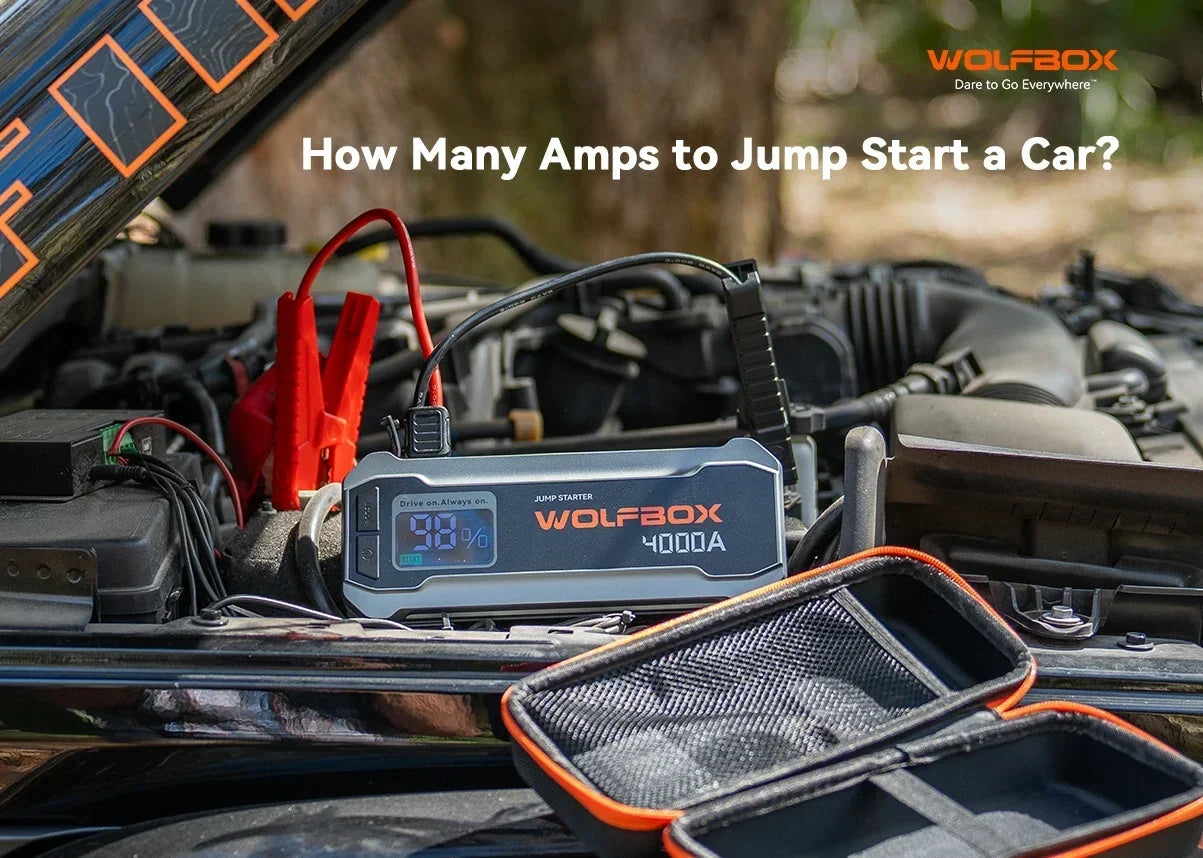
Knowing how many amps to jump start a car is essential for choosing the right jump starter and avoiding roadside failures. From compact sedans to heavy-duty trucks and diesel engines, different vehicles require different peak amp levels to start reliably—especially in extreme cold or heat.
In this guide, we break down real-world amp requirements, explain the difference between peak and cranking power, and show how to match the right jump starter to your engine size so you can stay prepared in any emergency.
Understanding Amps: Cranking Amps vs. Peak Amps
Many technical terms on battery boxes confuse the average motorist. You should have a clear understanding of these power numbers to make a smart purchase.
What Are Cranking Amps (CA) and Cold Cranking Amps (CCA)?
Cold Cranking Amps (CCA) is the discharge load (in amps) a fully-charged 12V battery can deliver for 30 seconds at 0°F (-18°C) while maintaining at least 7.2 volts. You need this real metric to crank a frozen engine block. Cranking Amps (CA) uses the same 30-second test but at 32°F (0°C), so a CA rating is typically 20-25% higher than CCA for the same battery. This particular rating shows the real power performance of your battery device in extremely cold weather conditions.
What Are Peak Amps?
Peak amps are the absolute maximum current. A portable device delivers this current in a split-second burst. High peak amps look very great on colorful retail boxes. The real cure for a dead battery is sustainable energy. You want to find consistent power to turn your car over successfully.
How Many Amps Are Needed to Jump Start a Car?
This section is our direct answer to your main question. This useful information helps everyday drivers plan out their safety gear. This is the exact guide off-road adventurers and fleet managers use to prepare for emergencies they didn’t see coming.
You must understand the main advantages of choosing specific power ratings. You match the device to your exact vehicle model. A correct match guarantees a successful engine start every time. You protect your vehicle from potential damage with the right power tool. Your specific engine size determines the final requirement.
The right amperage depends on your vehicle and engine size. If you're comparing common jump starter power levels, see our guide to 1000 amp vs 2000 amp jump starter for a closer look at how these ratings differ in real-world use.
Small/Compact Cars (4-Cylinder Gasoline)
Small modern vehicles require less power to operate smoothly. Compact cars with standard four-cylinder gasoline engines need a modest power surge. These specific engines typically need four hundred to six hundred peak amps. This basic power level easily starts your small commuter sedan after a sudden battery drain event.
Large SUVs, Trucks and Vans (6 to 8-Cylinder Gasoline)
Larger vehicles feature heavier engine components to move. These substantial engines demand a much larger burst of energy. Large sports utility vehicles typically require eight hundred to over one thousand peak amps. Big gasoline trucks and heavy passenger vans also depend on this higher power range to function properly.
Diesel Engines
Diesel vehicles demand massive energy to compress fuel. These heavy-duty motors require significantly more electrical power. You often need 1500 to 4000 peak amps. The much higher compression ratios dictate this enormous energy requirement. You must buy a very robust tool to crank these massive vehicle motors.
Vehicle Engine Size and Amperage Requirements
This sorted information will help you in choosing the right portable tool. You match your exact engine size to the recommended power output.
|
Vehicle Type |
Engine Size |
Recommended Peak Amps |
Power Requirement Level |
|---|---|---|---|
|
Compact Sedans |
4-Cylinder Gas |
400A - 600A |
Low Power Need |
|
Mid-Sized SUVs |
6-Cylinder Gas |
600A - 800A |
Moderate Power Need |
|
Full-Sized Trucks |
8-Cylinder Gas |
800A - 1000A |
High Power Need |
|
Commercial Vehicles |
Heavy Diesel |
1500A - 4000A |
Extreme Power Need |
Why Extreme Weather Changes Your Amperage Needs
Weather profoundly affects battery performance. Severe temperatures alter the way your car operates. The AAA reports a huge increase in battery failures in harsh seasons.
The Impact of Freezing Winter Temperatures
Engine oil thickens considerably in the extreme cold. You require up to twice the normal cranking current to turn the heavy crankshaft, while your battery simultaneously loses up to 60% of its cranking power at 0°F. (Per AAA research)
Summer Heat and Battery Degradation
Intense summer heat creates internal acid corrosion problems. This extreme hot weather slowly destroys the delicate internal battery plates. You still need a strong amperage punch to overcome a completely flattened structure. A damaged battery structure demands absolute maximum power delivery from your portable tool to start the motor.
Why Choosing a Higher Amperage Jump Starter is Always Safer
Many people hold a dangerous misconception about power limits. Vehicles only pull the exact current they actually need from the device. A massive two-thousand-amp tool will never fry a small passenger vehicle under any circumstances.
You can look at a specific scenario to understand this concept clearly. You connect a 4000A jump starter to a small sedan. The device simply provides a massive buffer of safety. You easily guarantee a successful motor start on the first attempt, even in the absolute worst possible weather conditions. You eliminate all guesswork from the process.
Top-Tier WOLFBOX Jump Starters for Every Vehicle Type
We introduce specific models with precise links to help you. We clearly highlight the real-world utility of each premium device.
WOLFBOX MegaVolt 10Air (2000A with Air Compressor)
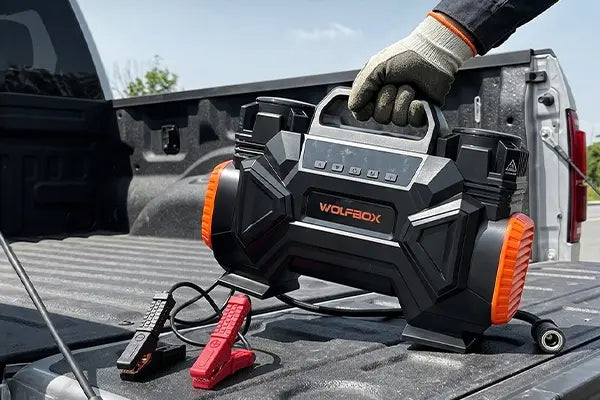
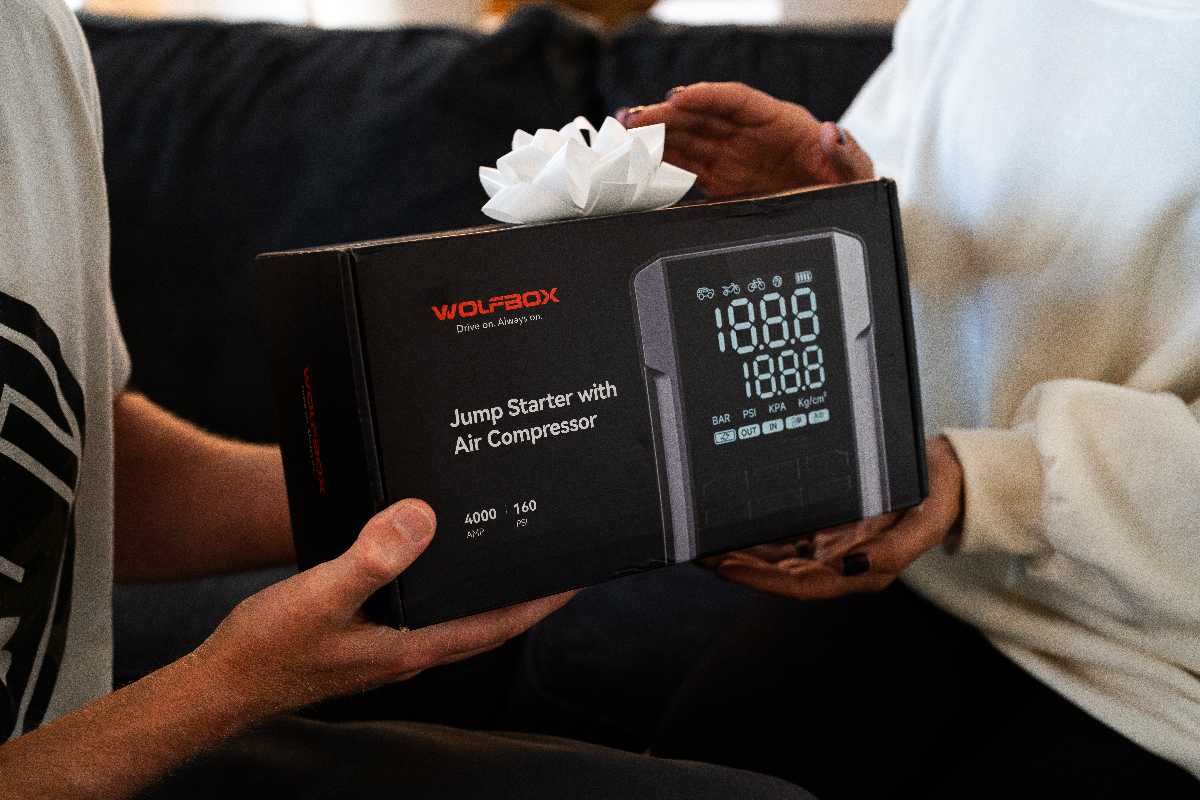
This incredible WOLFBOX MegaVolt 10Air serves daily commuters perfectly. This compact unit works best for mid-sized sports utility vehicles and standard sedans with 4-cylinder or V6 engines (up to 5.0L). For V8 SUVs, we recommend the MegaVolt 16Air or 24Air. The device features an integrated tire inflator to solve two distinct roadside problems at once. You will get absolutely incredible value from this highly portable power unit.

WOLFBOX MegaVolt 16Air (3000A Heavy Duty All-in-One)
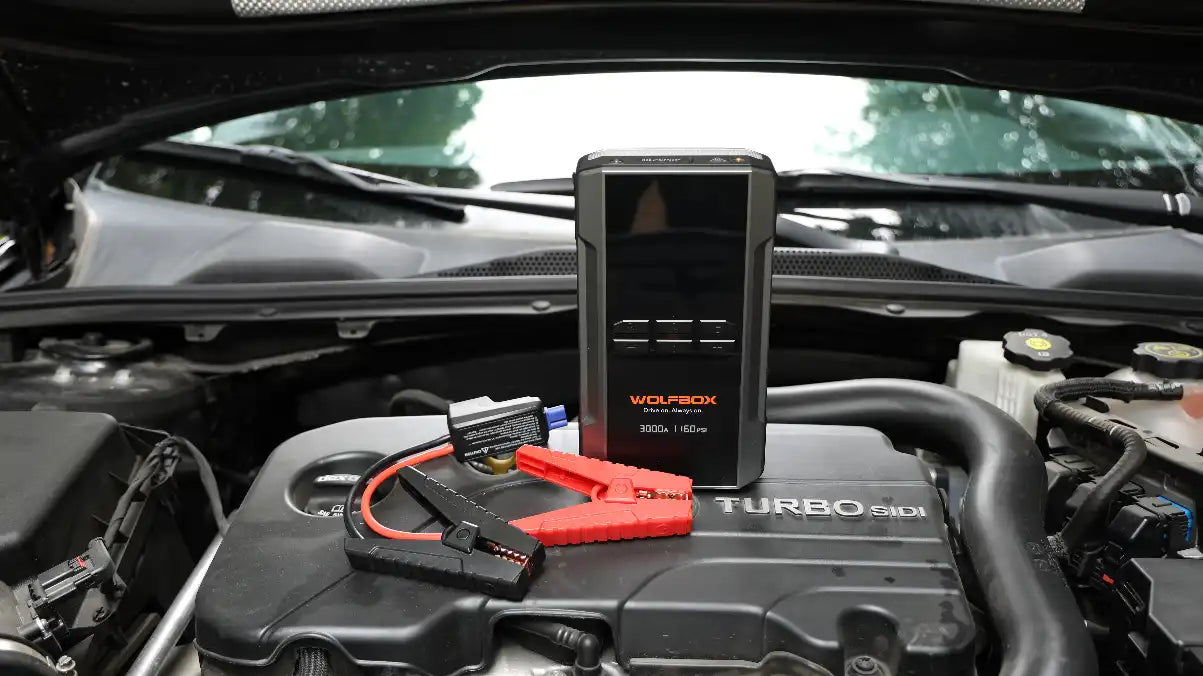
The extremely robust WOLFBOX MegaVolt 16Air delivers massive power. This tool works best for full-sized gasoline trucks and V8 SUVs. For diesel pickups, we recommend the MegaVolt 24 or 24Air. You require a heavy-duty power overhead for large vehicle motors. This great unit also features a rapid air compression tool for emergency flat tire repairs on the highway.

WOLFBOX MegaVolt 24 & 24Air (4000A Commercial Grade Flagships)
Professional mechanics truly love the WOLFBOX MegaVolt 24 and the WOLFBOX MegaVolt 24Air. These flagship models work best for large diesel trucks and huge recreational vehicles. Extreme off-road enthusiasts require absolute maximum peak power to survive. You get absolutely zero error margins with these heavy commercial grade power systems.
|
WOLFBOX Model |
Peak Amps |
Integrated Air Compressor |
Best Vehicle Match |
|---|---|---|---|
|
MegaVolt 10Air |
2000A |
Yes |
Sedans and Mid-Sized SUVs |
|
MegaVolt 16Air |
3000A |
Yes |
Full-Sized Trucks and Vans |
|
MegaVolt 24 |
4000A |
No |
Diesel Trucks, RVs, and Large Gas Engines (up to 10L) |
|
MegaVolt 24Air |
4000A |
Yes |
Extreme Off-Road and Commercial |


Step-by-Step Guide: How to Safely Jump Start Your Car with a Portable Device
The National Highway Traffic Safety Administration advises extreme caution near automotive power systems. We provide a very clear and scannable safety checklist for you.
Power Down The Car
Turn off the car ignition completely. You must shut down all interior electronics. A sudden power surge can easily damage your sensitive dashboard camera system. You want absolute safety first.
Connect The Red Clamp
Connect the red clamp to the positive terminal of the dead battery. You must securely attach this clamp to a clean bare metal surface for safety. You need a solid connection.
Attach The Black Clamp
Connect the black clamp to a clean bare metal ground. You can also connect it to the negative terminal if specified by the smart cable instructions. You must follow this step exactly.
Activate The Power Unit
Power on the portable jump starter device. You must wait patiently for the solid green safety indicator light to appear on the main display screen. You verify the ready status.
Start The Car Engine
Start the vehicle engine with the key. You must disconnect the power clamps in the exact reverse order to prevent dangerous electrical sparks and vehicle damage. You secure the device away.
Common Signs Your Car Battery Needs Immediate Replacement
A reliable WOLFBOX jump starter saves you in a sudden pinch. You still need to replace a broken battery eventually.
Dim Interior and Exterior Lights
Your headlights might look kinda dim at night. The interior cabin lights are also not of normal brightness. This dimness indicates a very serious shortage of electrical power. The car battery has a hard time keeping a good charge.
Slow Motor Crank Sound
The key turns, and a very sluggish sound. The motor stops for a few seconds, then it starts. A slow crank is a sign of a weak battery.
Visible Corrosion on Battery Terminals
You lift the hood to check the power unit and see a white powdery substance on the metal posts. This acid corrosion prevents the flow of electricity, and your motor is not getting the power it needs.
Conclusion
Understanding how many amps to jump start a car helps you choose the right jump starter for your specific vehicle, whether it’s a compact sedan, SUV, truck, or diesel engine. Matching peak amps to engine size ensures reliable starts in both normal and extreme weather conditions, reducing the risk of being stranded on the road.
With the right amperage and proper safety practices, a portable jump starter becomes a dependable part of your emergency kit. Brands like WOLFBOX offer multi-purpose solutions that combine jump-starting power with added roadside functions, giving drivers more confidence in any situation.
FAQs
Can a jump starter with too many amps damage my car's electronics?
No. A high-capacity device will never damage your car electronics. Your vehicle only draws the power it needs to get the motor started.
How many amps do I need to jump start a diesel truck?
You need at least 1500 to 4000 peak amps. Heavy diesel trucks need huge power to fight high engine compression and thick oil.
What is the difference between peak amps and cranking amps?
Peak Amps is a high-power burst for a split second. Cranking amps (CA / CCA) is the steady, continuous power output a battery delivers for 30 seconds to crank the motor. CCA is measured at 0°F (-18°C) and CA at 32°F (0°C).

Leave a comment
All comments are moderated before being published.
This site is protected by hCaptcha and the hCaptcha Privacy Policy and Terms of Service apply.