







WOLFBOX Brands
WOLFBOX Brands
Rideshare services (Uber, Lyft, and others) have revolutionized everyday travel. Accountability for safety has become crucial, given the millions of ridesharing on the road. From navigating busy streets to late-night pickups, security comes first.
That's where a dash cam can help every rideshare driver. A high-quality dash cam for rideshare drivers protects them from false claims by resolving disputes through undeniable evidence. This article guides you through the best dash cams for rideshare drivers.
Table of contents
A rideshare driver may encounter some exaggerated problems on the road. From scammers to criminals and offenders, it can lead to mutual conflicts. Then, there are accidents and complex traffic situations.
Modern dash cams go beyond recording video. It serves as the primary device related to your security, accountability, and financial protection. Therefore, every smart rideshare driver should invest in one.
Rideshare drivers encounter adverse situations with the passengers. They make false accusations about misconduct, reckless driving, or fare disputes. And the driver gets in legal trouble or faces deactivation. Up to 97% of drivers believe that dash cams help prevent false claims.
A rideshare driver in Los Angeles was falsely accused of making inappropriate comments. His dashcam footage proved his innocence. The evidence prevented legal action against him and an account suspension.
Accidents or crashes happen. Many people wrongly blame rideshare drivers due to their work. A dash cam holds undeniable proof of what happened. It helps drivers avoid liability and insurance fraud. Insurance fraud, including staged accidents, costs the industry billions annually.
A rideshare driver was involved in a collision in NYC. The other driver falsely claimed that the rideshare ran a red light. Dashcam footage proved the truth and saved him thousands in legal fees.
Most of the passengers are respectful. But some turn into aggressive, intoxicated, or even violent. The knowledge of being recorded can discourage such unruly behavior. Dash cams can reduce passenger misconduct by creating a sense of accountability.
A rideshare driver in Chicago had a passenger attempt to steal his tip money. The dashcam footage was used to report the incident. This led to the passenger being banned from the platform.
Scammers intentionally stage/cause accidents to extort money from insurance companies. Rideshare drivers have been the prime targets due to high mileage and frequent trips. Dash cams instantly expose fraudulent claims to prevent unnecessary payouts.
A rideshare driver in Houston was targeted by a staged accident. The scammer claimed severe injuries. But dash cam footage proved the crash was intentional. It saved the driver from a costly lawsuit.
Many advanced dashcams include a parking mode. It records activity around the vehicle when parked or unattended. You can use the feature against theft, vandalism, and hit-and-run incidents.
A rideshare driver in San Francisco found his car scratched and dented after overnight parking. His dash cam footage identified the culprit for apprehension. It also led to compensation for repairs.
Now you know why having a dash cam seems mandatory for rideshare drivers. There are numerous options to meet the growing concerns and increased demands. Understanding the key features can help you make an informed decision.
Modern dash cams' primary function is to capture clear footage. It's essential for identifying license plates, road signs, and incidents. Experts recommend at least 1080p resolution. However, 4K cameras provide superior clarity in low-light conditions.
Many rideshare drivers operate late at night for some extra cash. Night vision feels like a must-have feature for them. Infrared sensors and enhanced low-light recording ensure visibility in darkness. Dash cams with infrared night vision significantly improve footage clarity.
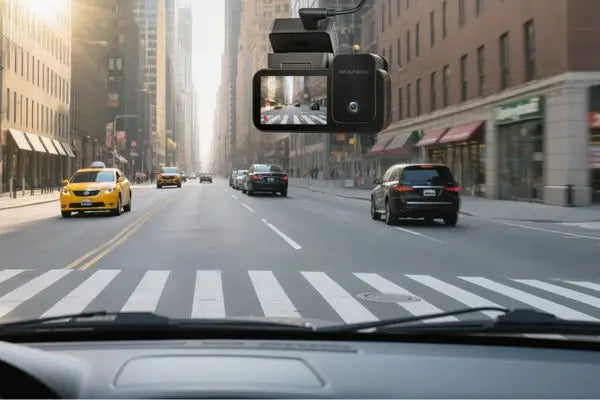
A dual-lens dash cam records the road ahead along with the vehicle's interior for full coverage. Some models even include a rear-facing camera for added security. Dual- and triple-camera dash cams are highly recommended for monitoring both passengers and the road.
A built-in GPS tracker records the vehicle's location, speed, and route. It seems helpful for dispute resolution and accident claims. GPS-enabled dash cams provide accurate location data to let drivers prove their whereabouts.
Dash cams with G-sensors automatically save footage upon detecting impacts or collisions. Thus, dash cams preserve critical moments. G-sensor technology prohibits the footage from overwriting for accident documentation.
Dashcams with cloud storage enable drivers to access footage remotely. Meanwhile, loop recording ensures continuous recording without running out of space. Cloud storage prevents footage loss due to SD card corruption or theft.
A wide-angle lens captures more of the road and surroundings. It also reduces blind spots to ensure comprehensive footage. Dash cams with 140° - 170° field of view provide better coverage without missing any crucial details.
What makes a dashcam well worth the investment in the ridesharing industry? Video quality is the most obvious aspect of capturing clear, sharp, and detailed footage.
The resolution determines how much detail gets captured in each frame. 1080p (Full HD) and 4K (Ultra HD) are the most common resolutions available. 4K resolution provides 4x more pixel count than 1080p.
It results in sharper images and better readability with 4K. But, limited storage may become a concern. Choose 1080p at a higher frame rate than 4K at a lower frame rate in such cases.
It determines how smoothly the motion gets captured. A higher frame rate ensures clearer footage in fast-moving situations (accidents or breaks).
Standard 60 FPS (frames per second) provides twice the smoothness of 30 FPS. It also reduces potential motion blur in the footage.
However, 60 FPS at 1080p seems better for rideshare drivers than 30 FPS at 4K. Smooth motion is more important than extreme detailing.
Ridesharing late at night has become common. And the number of wrongdoings is also high at night. Dash cams with infrared sensors, HDR (High Dynamic Range), and enhanced night vision provide clear footage in darkness.
Infrared night vision can capture clear footage inside the vehicle in total darkness. HDR (High Dynamic Range) balances bright and dark areas. A wide aperture lens (f/1.8 or lower) allows more light into the camera sensor for clarity.
Instead of cheap ones, you better invest in a high-quality dash cam. Otherwise, you may have to deal with compromised benefits. You can start looking into the top dash cams with the following ones
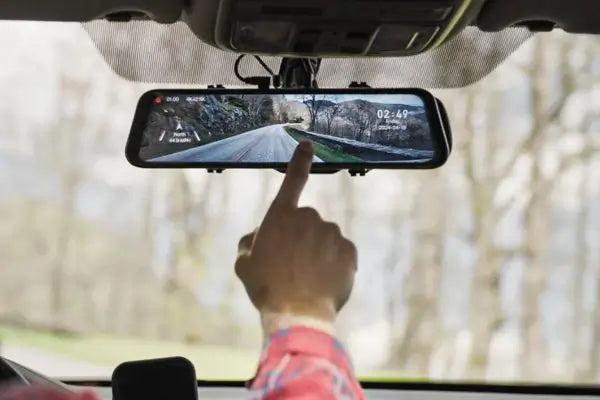
It holds a premium mirror with advanced night vision and other features. Rideshare drivers can enjoy optimal clarity with sharp, detailed images.
The Wolfbox G900 seems ideal for late-night rideshare driving. It also suffices drivers who need high-definition footage for legal protection.
The G900TriPro Cabin Version delivers exactly that by providing front, rear and interior (cabin) coverage so you're protected from every angle.
For rideshare drivers, the G900TriPro Cabin Version is a smart investment — offering advanced protection, peace of mind, and high-definition evidence in case you ever need to resolve a dispute or footage.
Handle Footage in Disputes: The footage becomes critical evidence in disputes with passengers, other drivers, and law enforcement. There are proper ways to store, present, and submit the footage.
If a passenger makes false claims, immediately retrieve relevant footage. Submit the video to rideshare through the official dispute resolution process. If necessary, share footage with law enforcement.
Save footage immediately after an accident to prevent overwriting. Provide clear timestamps and locations to insurance companies. If another driver is at fault, dash cam footage can prove liability.
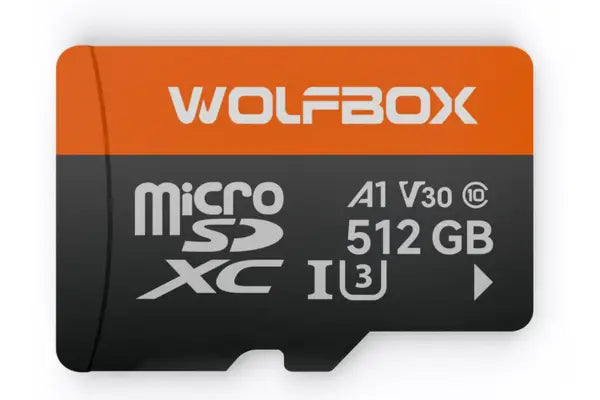
Maintaining Your Dash Cam: Wipe the lens weekly with a microfiber cloth to prevent dust buildup. Check for condensation in humid conditions to avoid blurry footage. Use a high-speed SD card (Class 10 or U3) for smooth recording.
Initiate loop recording to overwrite unnecessary footage automatically. Check for firmware updates monthly to receive fixes and new features. Enable automatic updates if supported by the dash cam model.
A dash cam seems more like a standstill witness for ridesharing drivers. It gives the driver peace of mind while they are on the road. No matter how other parties want to rip you off, footage with clear details can save the day. Investing in the best dash cam for rideshare means protection for yourself, your vehicle, and your livelihood.
1. What is the best dash cam for rideshare drivers who work primarily at night?
Night vision is obligatory for drivers working late hours. Look for infrared night vision, HDR, and wide-aperture lenses for clear, low-light footage.
2. Do rideshare companies like Uber and Lyft allow dash cams?
Yes. However, the policies may vary significantly. Most allow video recording, but audio recording may require passenger consent.
3. How much storage space is needed for continuous dash cam recording?
A 64GB or 128GB SD card is recommended for loop recording. Cloud storage is ideal for storing long-term footage.
4. Can I use my dashcam footage in court or insurance claims?
Of course. Dash cam footage is legally admissible in most cases. They can prove fault in accidents or disputes with passengers.