





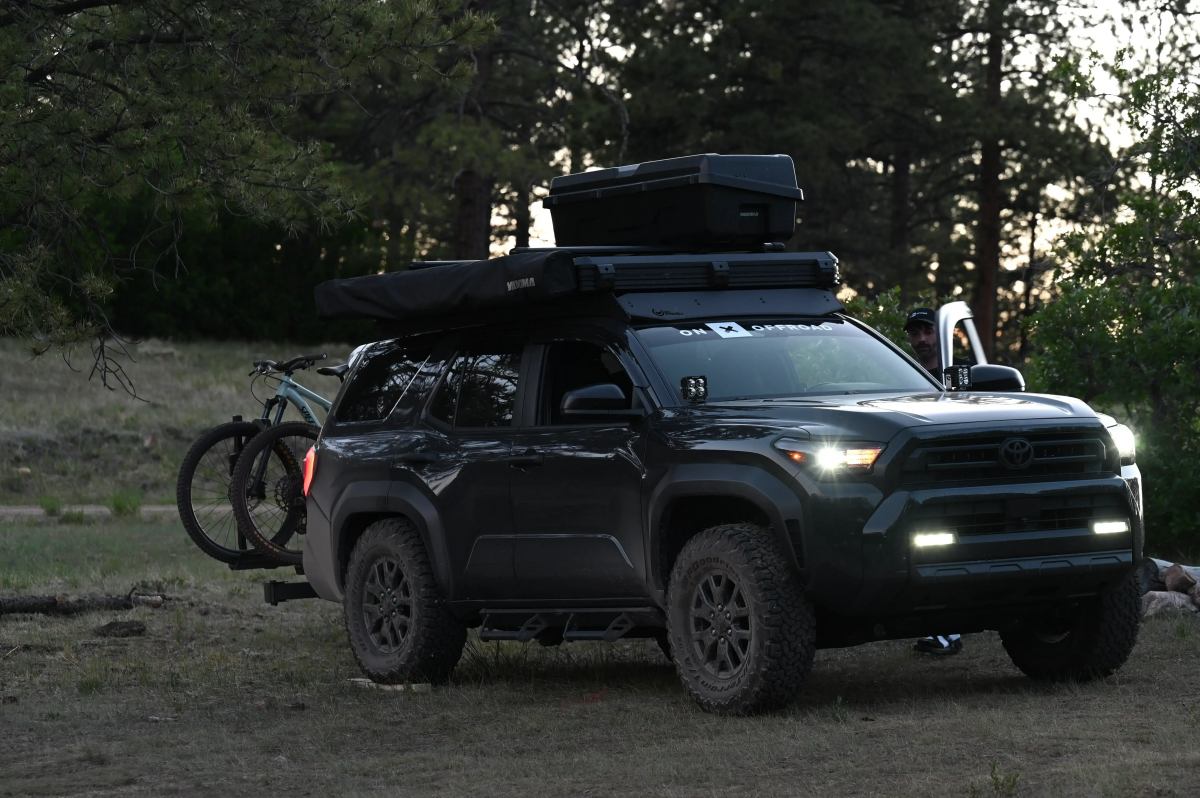
An overland trip has a way of sorting gear into two piles: the stuff that earns its space and the stuff that quietly rides along collecting dust. My Pisgah-to-the-Rockies route gave me plenty of time to figure out which was which.
The trip started in western North Carolina, wound through long stretches of highway, crossed back roads and gravel approaches, and eventually headed toward Colorado with the 4Runner loaded for camping, mountain biking, writing, shooting photos, and living out of the vehicle for days at a time. By the time the drawer system, rooftop tent, bike rack, camera gear, and camp supplies were packed, every open pocket of space had a job.
Long trips make vehicle prep feel less theoretical. A tire pressure check becomes part of the morning rhythm. Dust finds its way into vents, drawers, camera cases, and every cupholder that once had dignity. Battery backup matters more when you’re parked away from easy help, especially after a full day of opening doors, charging devices, moving gear, and asking the vehicle to act like a rolling basecamp.
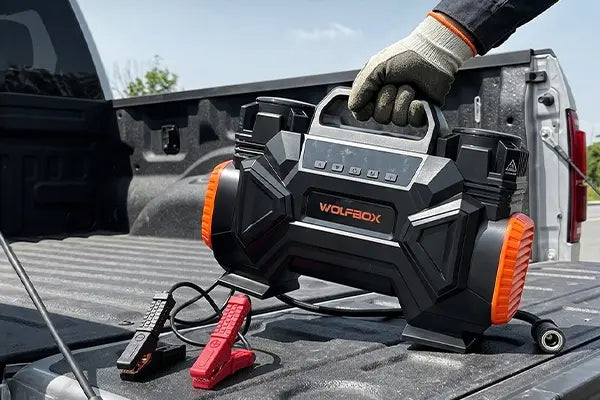
The tools that stood out on this trip were the ones that solved repeat problems without taking over the cargo area. The WOLFBOX MegaVolt 24Air and WOLFBOX MF200 compressed air duster fit into that category because they handled the small, annoying issues that show up again and again on a long outdoor road trip: tire pressure, battery backup, dust, debris, and the daily cleanup that keeps a packed vehicle from turning into a rolling junk drawer.

Long Trips Make Small Vehicle Problems Harder to Ignore
A short trail day lets you overlook the little things. You can ignore a dusty dash, put off airing up until the next gas station, or convince yourself the gear pile in the back is organized enough. On an 18-day trip, those little things start to add up.
The Pisgah-to-Rockies route turned the 4Runner into transportation, shelter, storage, and workspace. It carried camping gear, bike equipment, camera gear, recovery tools, food, and enough loose odds and ends to make every cargo-area search feel like a small excavation.
Daily use made small problems appear sooner. Tire pressure mattered more as the route shifted between highway miles, gravel roads, and rough pull-offs. Dust settled into vents, drawers, camera cases, and every cupholder that had previously lived a respectable life.
The longer the trip went on, the more I appreciated compact tools that handled recurring problems quickly and went back into place. On a long outdoor road trip, the most useful gear usually isn’t dramatic. It’s the gear you reach for again and again because it keeps the vehicle ready for the next leg.
Tire Pressure Becomes Part of the Daily Routine
Tire pressure doesn’t feel like a daily concern until the route keeps changing underneath you. On the Pisgah-to-Rockies trip, one day might mean long highway miles, while the next could involve gravel roads, rocky pull-offs, or a washboard stretch that made the dash sound like it joined a percussion class.
Tire pressure became one of the small checks that kept the 4Runner feeling right. Before longer highway sections, I wanted the tires back at proper road pressure. Before rougher access roads, I paid attention to how stiff the ride felt and whether airing down slightly would help the truck settle into the terrain.
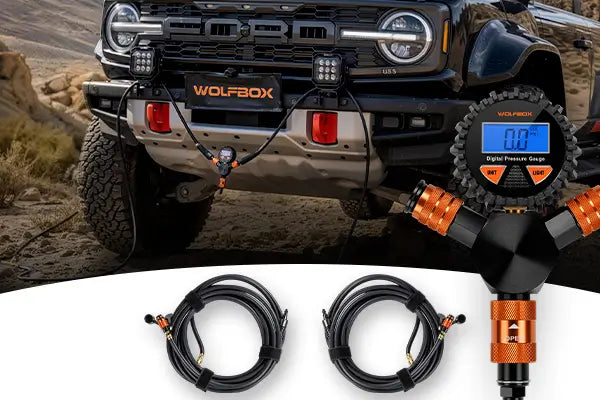
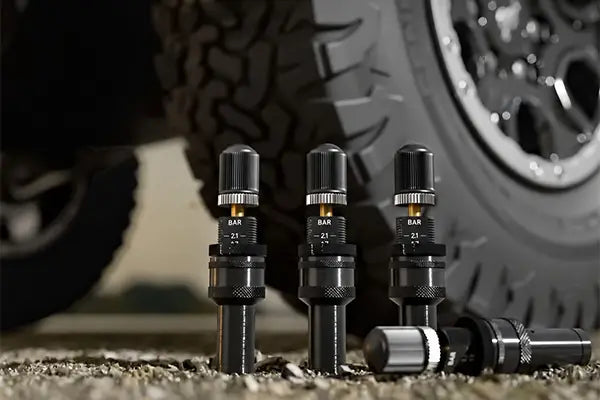
The WOLFBOX MegaVolt 24Air and automatic tire deflators handled both sides of that routine. The automatic tire deflators made airing down quicker and more consistent, while the megavolt compressor let me air back up without hunting for a gas station. When the vehicle is loaded with gear needed for a long trip, a compact tool that solves a repeat problem earns its space quickly.


Dust Gets Into Everything
…and I mean, everything.
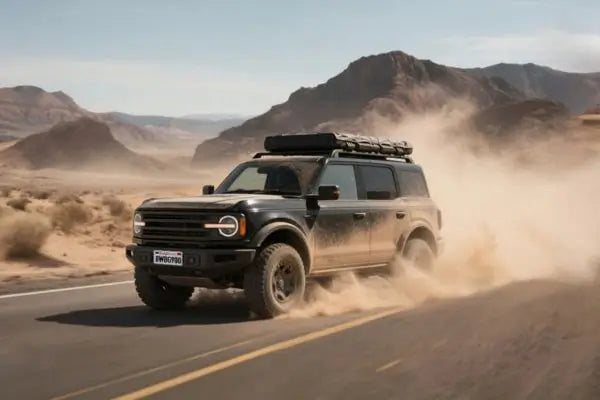
Dust became the quiet passenger on the Pisgah-to-Rockies trip. It came in on shoes, bike tires, storage bins, camera bags, and every piece of equipment that touched a gravel pull-off. By the time the route pushed west, keeping the 4Runner clean felt less like vanity and more like basic maintenance.
The WOLFBOX MF200 compressed air duster made sense for the small spaces that are annoying to clean by hand. Vents, charging ports, drawer corners, camera cases, and the seams around the center console all collected dust faster than expected. A quick blast of air helped clear those spots without digging around with a towel or pretending a sleeve counts as a cleaning tool.
Dust does more than make the cab look messy. It gets into electronics, clings to camera gear, builds up around buttons, and makes the vehicle feel more chaotic after several days on the road. On a long trip, a small cleanup tool helps keep the rig usable before it slowly turns into a rolling gravel sample.
Keep the Road-Ready Tools Within Reach
The longer I lived out of the 4Runner, the more I cared about access. A tool buried under camp gear might as well be sitting on a shelf at home. When tire pressure needs attention or dust starts building around electronics, the useful tool is the one you can grab without unloading half the cargo area.
For a long overland trip, I’d keep these tools close:
- WOLFBOX MegaVolt 24Air: Covered tire inflation, jump starts, and device charging throughout the trip. Compact enough to stay accessible without taking over the cargo area.
- WOLFBOX MF200 Compressed Air Duster: Handled dust cleanup in vents, charging ports, camera cases, and drawer seams. A quick blast cleared spots that towels can’t reach.
- Automatic Tire Deflators: Made airing down for rough terrain fast and consistent. Set them and walk away instead of crouching at each valve stem.
- WOLFBOX HyperFlow 60D: A higher-capacity option for extended off-road routes where faster, high-CFM inflation across all four tires matters.
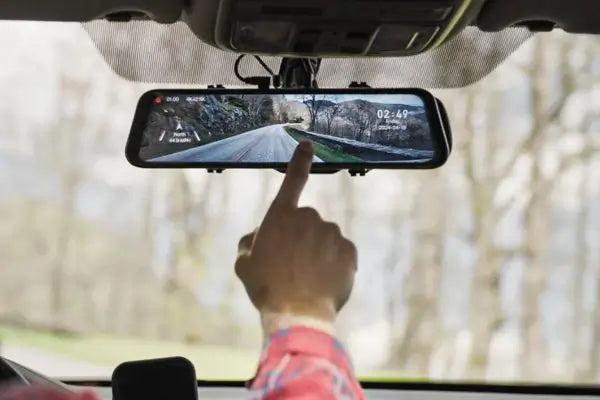
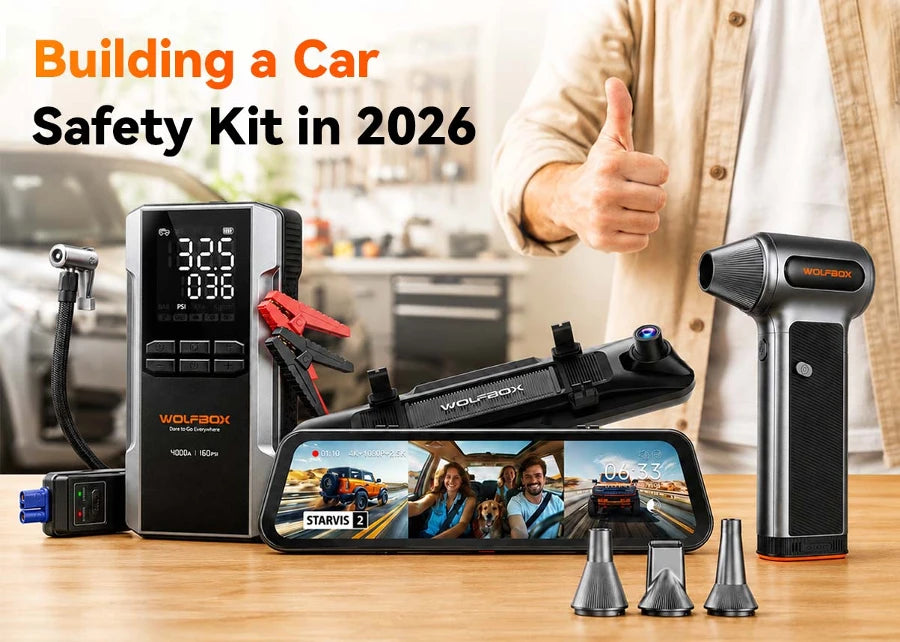
The best setup keeps these tools easy to reach and easy to put back. Long trips already create enough clutter without turning every roadside stop into a full cargo-area excavation. For a fuller breakdown of what that kind of setup should include, WOLFBOX put together a guide on building a car safety kit with a dash cam, jump starter, and air duster, all of which can be valuable additions for adventure trips.
Small Tools Earn Their Space Over Long Miles
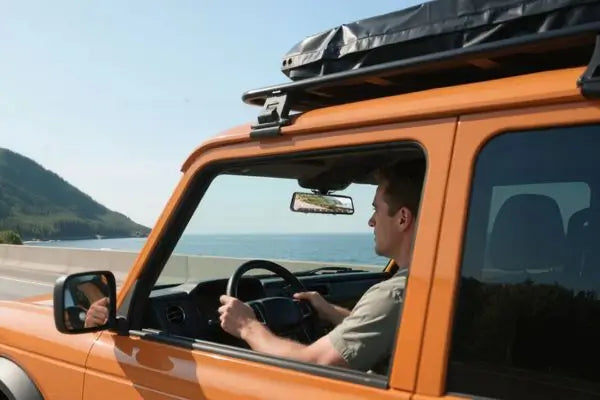
The Pisgah-to-Rockies trip reminded me how quickly a vehicle becomes more than transportation. Over enough miles, the 4Runner became a place to sleep, work, organize gear, make small repairs, clean up, and get ready for whatever the next road looked like.
The biggest pieces of gear usually get the attention before a trip, but the smaller tools often carry the daily workload. Tire pressure checks, battery backup, and keeping dust under control became part of the routine because they helped the vehicle stay ready for another day on the road.
Looking back, the gear that earned a permanent place in the 4Runner wasn't necessarily the largest or the most expensive. It was the equipment I reached for repeatedly because it solved common problems quickly, packed away easily, and stayed out of the way until it was needed again.
Long trips have a way of teaching those lessons. The farther you travel from home, the more you appreciate reliable tools, thoughtful organization, and a vehicle that's ready for whatever the next mile brings.


Jarrod Nobbe
Jarrod Nobbe is a North Carolina–based outdoor writer who spends his time exploring backcountry roads, hiking rugged trails, and racing gravity (enduro and downhill) mountain bike events. Whether he's navigating remote trailheads, carving out new lines on the trail, or setting up camp out of his 6th-gen 4Runner, he's constantly putting gear to the test in real-world conditions. His writing is rooted in firsthand experience, offering practical insight into what holds up when you're off the grid and deep into the elements.

Leave a comment
This site is protected by hCaptcha and the hCaptcha Privacy Policy and Terms of Service apply.