





WOLFBOX Brands
WOLFBOX Brands
Rain, snow, or muddy trails can quickly turn reversing into a risky task. A waterproof rear view camera solves this problem by keeping your vision clear in any weather. From crowded SUVs with blocked rear windows to off-road pickups facing mud and rain, an exterior waterproof camera ensures you capture every detail behind your car.
In this guide, we'll cover why standard cameras fail, what makes a camera truly waterproof, real-world scenarios for exterior installation, and key features to look for when choosing the best device for your vehicle.
Table of contents
Many dash cams with regular rear cameras cannot handle water and bad weather. You should know how this can quickly damage your camera and lead to problems for you.
Standard devices lack proper seals around the glass. Moisture enters the lens area when temperatures change rapidly. You only see a blurry mess on your screen. This fog blocks your vision completely when you reverse your car. You cannot fix a fogged lens easily once water gets inside. Your device becomes useless until it dries out completely. You need a sealed unit to stop this problem permanently.
Water and electricity do not mix well. Raindrops seep into the unsealed seams of a cheap device. The moisture connects electrical paths that should stay separate. This causes a short circuit that fries the internal computer board. Your screen goes black instantly when this happens. You have to buy a brand new device because repairs cost too much.
Cheap devices use basic metal parts that rust quickly. Rainwater contains minerals that eat away at these cheap metals. The connections rot away after a few months of wet weather. The rust spreads to the wires and destroys the power supply. Your device slowly dies as the rust consumes the internal parts. You avoid this damage when you buy a properly sealed exterior unit.
Many people talk about IP ratings when they look for cameras for their cars. It is important to understand what these ratings tell you about how well your camera will keep dust and water out.
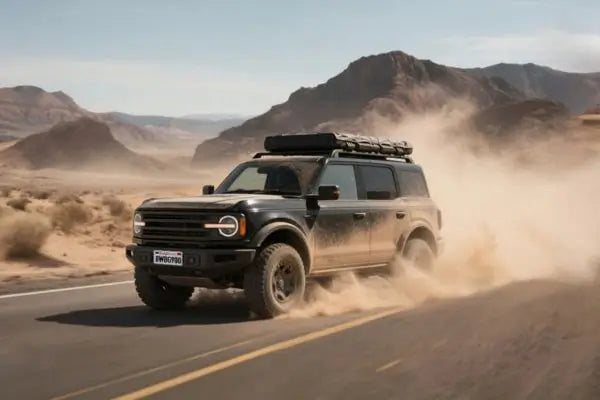
The IP rating starts with a specific number for solid objects. The number six means the device stops all dust from entering. You drive on dirt roads and kick up huge clouds of dust. A rating of six means the internal parts stay completely clean. Dirt cannot penetrate the tough exterior shell. You want this maximum dust protection for off-road adventures.
The second number tells you about liquid protection. A seven means the device survives complete submersion in shallow water. An eight means it survives deep water for a long time. You need at least a seven for exterior vehicle mounting. Rainstorms hit your car with intense pressure on the highway. High numbers mean the water stays outside the delicate electronics.
IP Rating |
Dust Resistance Level |
Water Resistance Level |
Best For Your Car |
IP65 |
Full dust block |
Low-pressure water jets |
Not recommended |
IP66 |
Full dust block |
High-pressure water jets |
Mild weather |
IP67 |
Full dust block |
Temporary water submersion |
Heavy rainstorms |
IP68 |
Full dust block |
Continuous water submersion |
Extreme off-road |
When internal mounting options are limited or environmental factors interfere, installing a waterproof rear view camera outside your vehicle ensures clear and reliable visibility. Here are a few real-world scenarios where an external waterproof rear camera is the smarter choice:
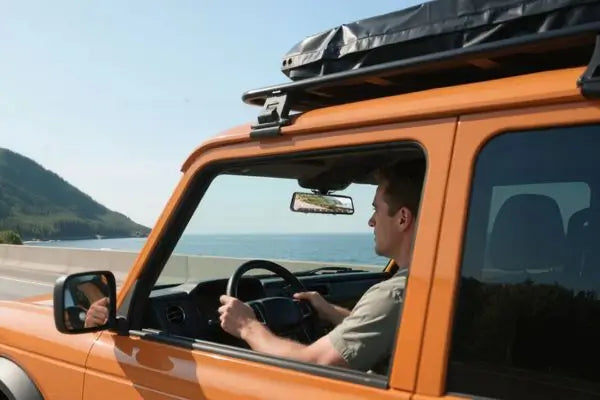
Some vehicles—like SUVs, vans, or cars with steep or heavily tinted rear glass—make interior camera installation awkward or result in poor viewing angles. An externally mounted waterproof rear-view camera bypasses interior obstacles, providing a wider, unobstructed view and improving safety.
If your rear window is frequently blocked by luggage, equipment, or passengers, an interior camera may capture only a partial view. Mounting a waterproof rear camera outside ensures a clear line of sight without interference from cargo or passengers.
Shooting through glass at night or in storms can create glare, reflections, or hazy footage. A waterproof external camera withstands rain, snow, and moisture while providing clearer, sharper footage during low-light or adverse weather conditions.
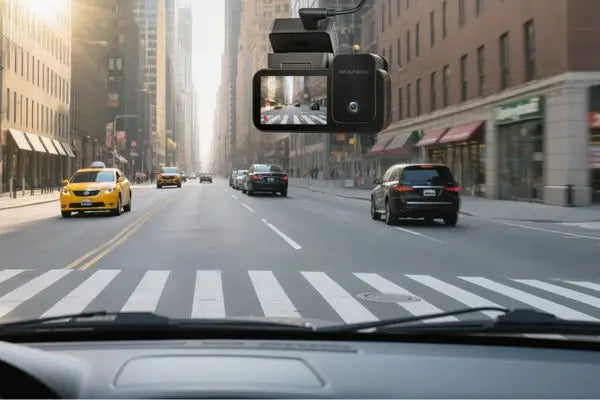
Many minor collisions or hit-and-run incidents occur at the rear of the vehicle. Installing a waterproof rear camera close to the bumper helps capture important details such as license plates and impact points—information that interior cameras might miss.
If you enjoy off-road trails or overlanding, mud, water, and dust can damage standard cameras. A waterproof rear view camera withstands these conditions while providing clear footage of your surroundings. It helps you navigate obstacles, track your path, and capture scenic adventures safely.
A sealed camera gives you many useful benefits for your car, and it makes everyday driving easier and safer.
You drive through terrible blizzards and massive thunderstorms. Your sealed device shrugs off ice and massive water pressure easily. You maintain a clear vision while other drivers struggle to see behind them.
You can place a sealed unit anywhere on the outside of your vehicle. You do not have to keep it inside the rear window. You get the perfect angle when you mount it near your license plate.
You hitch up your heavy boat trailer with zero stress. The exterior lens gives you a direct view of the hitch ball. You align your truck perfectly on the first try every single time.
It is important to know which features matter most before you choose a waterproof rear view camera for your car.
You need a resolution of 1080p rather than an old 720p model. High resolution lets you read license plates clearly from far away. You catch every detail when an accident happens behind your car.
You drive at night and need a clear view in the dark. A good device pulls in tiny amounts of light to brighten the image. You see pedestrians and stray animals clearly in pitch black areas.
You want a lens that captures the entire road behind you. A wide-angle lens removes blind spots on the left and right sides. You spot cars that try to pass you on the highway.
A high-quality waterproof rear view camera should have a proper IP rating, such as IP67 or IP68, which ensures it can withstand rain, splashes, dust, and temporary submersion. This is essential for outdoor installation, keeping your camera reliable in all weather conditions, and protecting it from corrosion or water damage.
You park your car in the hot summer sun and freezing winter snow. Your device must survive heat waves and frozen nights without melting or cracking. Tough materials keep the system running in any climate.
Feature |
Standard Device |
Premium Waterproof Rear View Camera |
Resolution |
720p blurry video |
1080p sharp clear video |
Weather Seal |
None or weak rubber |
IP67 or IP68 full seal |
Night Vision |
Dark and grainy |
Bright and clear |
Lens Angle |
90 degree narrow view |
140 degree wide view |
Wolfbox dash cams give your car some powerful features that help you handle any weather.
Your Wolfbox device records in beautiful 1080p high definition video. The system automatically balances bright lights and dark shadows perfectly. You get a perfect image even when headlights shine at your lens.
You get certified IP67 protection against the worst weather elements. Rain and mud bounce right off the tough exterior casing. You can wash your car with high-pressure hoses without any worries. For example, the WOLFBOX G900TriPro Bumper Version is officially rated IP67, but in real-world tests it even withstood full submersion, effectively achieving IP68-level waterproofing.
Your Wolfbox device operates perfectly from -20° ~ 70°. You can store it safely from -30° ~ 80 °. You never have to remove it when the seasons change rapidly.
A waterproof rear view camera is more than a convenience—it's a safety essential. By choosing a high-quality, fully sealed camera, you protect your vehicle from water, mud, and dust while maintaining clear visibility in all conditions. Whether you drive in heavy rain, tow a trailer, or explore off-road paths, a properly mounted waterproof camera keeps your car and family safe. Invest in a durable exterior camera like those from Wolfbox and enjoy confident, worry-free driving in any weather.
Not typically. Standard dash cams aren't designed for exterior use and may not be properly sealed against moisture, which can lead to fogging or damage over time.
It's highly recommended. Larger vehicles and off-road conditions often involve mud, dust, and limited rear visibility, where a waterproof camera can provide more reliable coverage.
Look for key features such as an IP67 or higher waterproof rating, at least 1080p resolution, a wide viewing angle, and reliable performance in extreme temperatures.
Use a soft microfiber cloth with mild soapy water to gently clean the lens, then dry it carefully to avoid streaks or residue