




WOLFBOX Brands
WOLFBOX Brands
If you love off-road adventures, it’s time to rethink how you handle rough terrains and tough trails. Whether you’re driving up steep paths, through deep gullies or over loose ground, you need more than just skill—you need the right tools. Your vehicle needs more than strong tires and basic off-road gear. It needs the right technology to help you along the way. That’s where off-road dash cams come in. These cameras don’t just record your trips; they help keep you safe and make your adventures easier to manage.
Table of contents
Before you can get into the details of off-road adventures, you need to know what off-roading really means. In simple terms, off-roading is all about the excitement of driving on unpaved surfaces like dirt roads, sand dunes, rocky paths or snowy trails. These adventures push you and your vehicle to the limit.
Whether you enjoy easy trails for fun or prefer climbing over big rocks on extreme paths, there’s something for everyone. Famous spots like The Rubicon Trail in California or Moab’s Sand Flats in Utah offer plenty of exciting places for you to explore. Just remember, having the right off-road gear can make or break your trip.
You might think your regular dash cam is enough, but off-road trails need cameras that show more than just the road in front and behind. Regular dash cams can miss important angles you need to stay safe and avoid damage.
When driving through deep gullies, you need to see how close your tires and undercarriage are to the edges. Regular front cameras don’t show this, leaving you to guess and increasing the chance of damage. A wider or lower-angle view is key to safely getting through these tricky areas.
Ruts on off-road trails can make your tires slip or go out of alignment which can be dangerous. Regular dash cams only show what’s in front, so you can’t see if your tires are lined up properly with the rut walls. This makes it harder for you to stay in control.
Washouts are loose soil areas that can collapse under your vehicle’s weight. Without a clear, lower-angle view, you might drive into one without knowing. Regular dash cams don’t show the view you need to spot and avoid these hazards, putting your vehicle in danger.
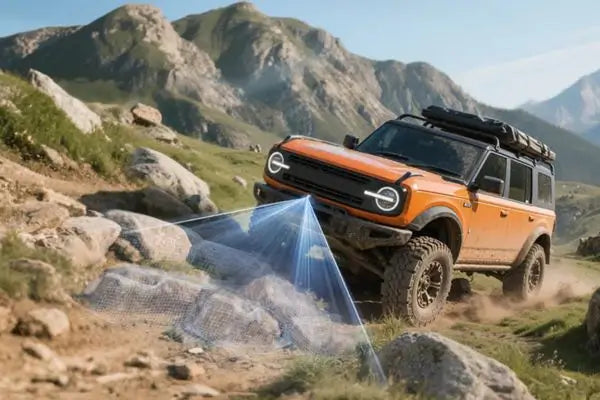
When you’re going over rocky trails, large boulders can scrape or damage the bottom of your vehicle. Regular dash cams don’t show what’s happening underneath, so you don’t know about the damage you might be causing. An off-road dash cam with multiple views helps you avoid hitting hidden rocks.
Steep climbs can create blind spots, making it hard to see where your tires are or how close you are to obstacles. Regular cameras don’t give you the view you need to make safe wheel placements. This can lead to risky situations you could avoid with the right camera setup.
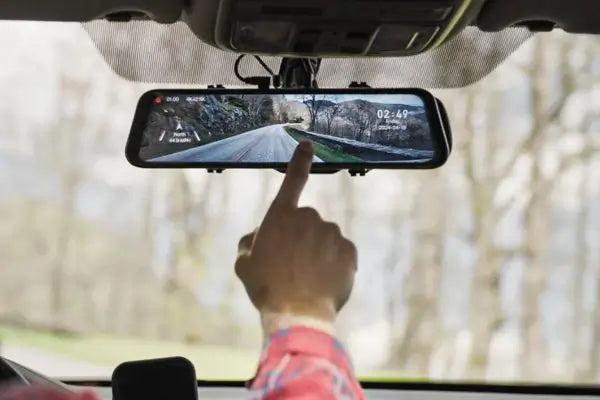
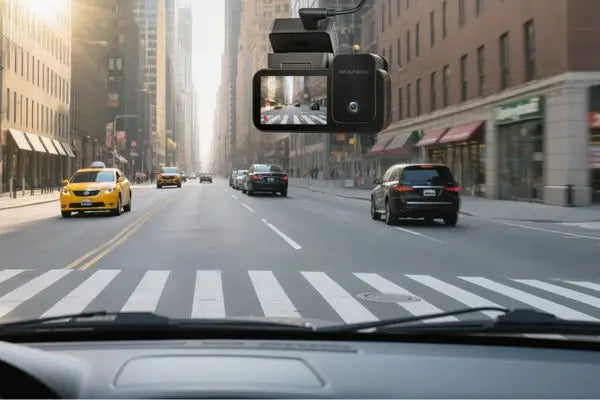
If you’re using the Wolfbox G900 TriPro Bumper Version, it comes with a built-in mirror camera, a front bumper camera and a rear camera. But for more challenging off-road conditions, you can change the mounting of your cameras to improve visibility and safety.
By changing the position of your cameras, you can drive confidently on even the toughest off-road trails.
With two flexible additional cameras, you can position them where you need to see your surroundings clearly. Whether it’s checking obstacles ahead, looking behind you, or watching tricky side angles, these cameras give you full control. You’ll always know what’s around your vehicle.
The Wolfbox G900 TriPro Bumper Version is built for rough conditions. Whether you’re driving through dirt and mud or handling unexpected impacts, it stays strong. You won’t need to worry about it failing during your adventure.
Off-road fun doesn’t stop when it gets dark and neither does the G900 TriPro Bumper Version. Its great low-light performance helps you see and record clearly at night. You can drive confidently, even on dark trails.
Forget worrying about running out of storage space on long drives. The G900 TriPro Bumper Version has loop recording which replaces old footage when your memory card is full. This way, you’ll always have the latest recordings and never miss a moment.
You should keep your hands on the wheel and let your voice do the work. The G900 TriPro Bumper Version is there to listen to you. You can tell it to record, switch views or take pictures without pressing a single button. It is simple and will keep you focused on driving.
If your trail takes you through rain, rivers or muddy roads, the G900 TriPro Bumper Version will be your companion. Its waterproof design keeps it working perfectly even in wet conditions. This will let you keep your mind on the road ahead.
Feature |
Description |
Camera Types |
Triple (Front, Side, Rear combinations) |
Night Vision |
Super Night Vision |
Terrain Durability |
Shockproof + Waterproof build |
Recording Options |
Continuous loop + Voice-activated live recording |
Resolution Levels |
High-definition clarity in any terrain condition |
"Absolutely blown away by the clarity of the front 4K cam. And the bumper camera? Game-changer for off-roading in Moab!" - James R. (Verified purchase)
"Excellent product! The bumper cam is a game-changer for wheeling." - Adam B. (Verified purchase)
After a muddy trail, you should clean your dashcam right away and rinse the mud off the camera case with warm running water to stop it from hardening and causing damage. You can use a soft cloth or sponge to gently clean any stubborn dirt. This easy step keeps your camera clean and ready to use.
After every off-road trip, check if your camera mount is still aligned correctly. Bumpy trails can loosen or move the mount which can result in poor or unclear footage. Adjust the mount if needed so your camera records the road clearly on your next trip.
Your dash cam’s waterproof seals help keep dirt and water out. Check these seals often for cracks, wear or dryness. If they look damaged, replace them immediately to protect your camera and keep it working in all weather conditions.
Your camera lens collects dirt and dust during your drive on muddy trails. Use a lens-cleaning cloth or soft microfiber cloth to gently clean the lens. Don’t use harsh chemicals, as they can harm the lens. Keeping it clean ensures clear and high-quality videos.
After each trip, check the memory card in your dash cam. Make sure it’s not full and that there are no damaged files. Format your Micro SD card if needed, but remember to back up any important footage first. A reliable memory card ensures you don’t miss recording any part of your next adventure.
Jeep Wranglers and Toyota Tacomas are great for off road driving because they handle rough terrain well. You should go for a vehicle that works for you and the trail you’ll be exploring.
Black Bear Pass in Colorado and Moab trails in Utah are amazing places for off-roaders. You can look for trails near you and pick one that matches your skill level.
Bring things like a first aid kit, water, snacks and a flashlight. Make sure you also have tools to handle small vehicle problems on the trail.
Weather can make trails harder or even unsafe. Always check the forecast and avoid going out in heavy rain, snow or storms.
Take your off-road adventures to the next level with the Wolfbox G900 TriPro Bumper Version. You’ll get smarter navigation, better safety and amazing journeys with this reliable companion. Don’t settle for less when exploring the outdoors. Are you ready to upgrade? Explore Wolfbox dash cams today!
What is the best dash cam you can use for off-road driving?
The Wolfbox G900 TriPro Bumper Version is made for off-road driving. It gives you multi-angle views and has shockproof features to handle rough terrains easily.
How can a dash cam make your off-road trips safer?
A dash cam helps you see blind spots, keep track of your tires and navigate rough trails safely during your off-road trips.
Which dash cam settings are best for recording your off-road experiences?
Set the dash cam to high-definition resolution and turn on multi-angle recording to capture all the details of your off-road trails and tough climbs.
Why should you invest in a dash cam for off-roading?
A dash cam is a good investment because it helps you record your trips, stay safer and keep an eye on tricky parts of your off-road paths.