




WOLFBOX Brands
WOLFBOX Brands
Off-road driving safety depends on two key things: how well you prepare your vehicle and how clearly you can see what's ahead, around, and behind you. On unpredictable trails, hazards like rocks, ruts, and sudden terrain changes can appear without warning, making visibility and real-time awareness essential.
A dash cam plays an important role here by expanding your field of view and helping you react faster, while also recording your journey for safety and evidence when needed.
Table of contents
You should make habits that will keep you safer on any kind of ground before you leave. You can do some simple things to keep yourself, your car, and everyone else in it safe.
Before you drive on dirt roads, check the pressure and tread on your tires, look at the fluids in your car, and check the suspension and other parts. For safety, bring recovery gear, a first aid kit, and extra food, water, and clothes. It's smart to know the way and bring a paper map and emergency supplies in case things go wrong or you get stuck far from help.
Depending on where you drive, trails look very different. To help you get across sand, you should lower the pressure in your tires. Move slowly and steer carefully over rocks. Quick moves can cause problems. If you cross mud, don't go too fast. Just keep your speed steady so your tires don't get stuck.
On the trail, going slowly and steering slowly makes a big difference. You should choose the safest way to get around holes or rocks.
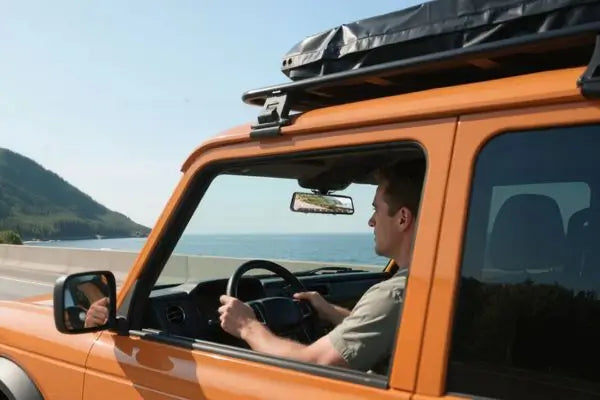
You might not think about the most common danger: not being able to see everything in front of, next to, or behind you. If you're moving or just looking out your window, you might miss something in your way. Damage can happen quickly if you don't see these hidden risks.
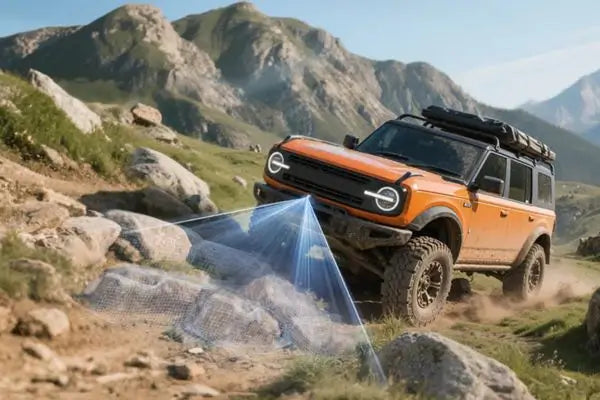
When you're in the driver's seat, it's hard to see the parts of the road that are closest to you, like right under your hood or bumper. You could be going toward a big rock or a steep drop and not even know it. If you make a mistake, blind spots here can trick you and hurt you.
It's easy to lose track of what's next to or behind your car when bushes or narrow paths block your mirrors. If you can't see well, backing up on a trail or moving between rocks can put you in danger. It's riskier in tight spaces where you might miss drop-offs or big rocks near your doors.
Fog, dust, darkness, sunlight, and rain all make it harder to see when you're off-road. Any weather that makes it hard to see the ground makes your trip more dangerous. That's why you need special tools that help you see clearly, even when things are hard.
It's important to keep your eyes open, but sometimes that's not enough. You can't always check every angle or see what's coming up.
If something gets in front of your tires before you see it, it's hard to react the right way. Your driving skills will only help if you see the danger early. If you don't have another way to see ahead, you might not have time to avoid a problem when things change quickly, there are hidden dips, or there are rocks.
A friend or spotter outside your car can tell you about something in the way that you can't see or help you get your tires lined up in hard places. This is great in some cases, but what if you're by yourself or the road is too rough for someone to walk next to your car? A spotter can't always help at night or in thick brush, so other simple tools can help you feel better.
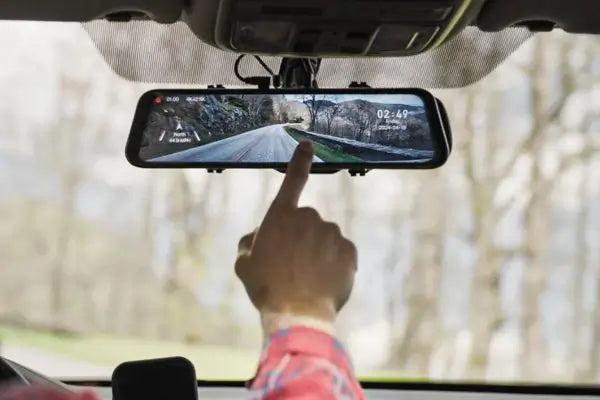
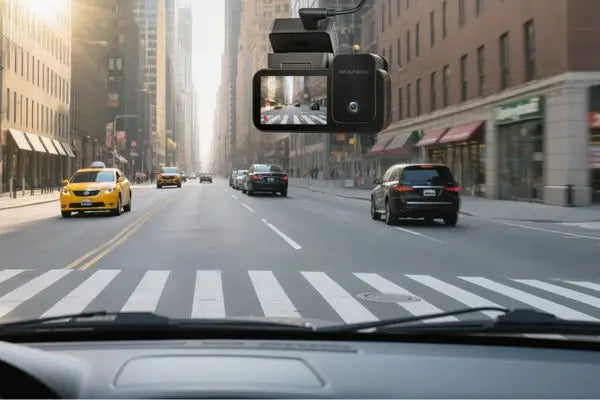
A lot of people think they are just for recording your trip, but they actually help you see better when you're driving on rough trails. You can move over rocks or mud much more safely with the right mirror dash cam because it gives you clear, live images.
Cameras with a wide or low angle can show you what's hidden in the front or sides. You can see screens in real time that let you respond faster to dips, rocks, or anything else that gets in your way. These views help you stay away from making mistakes because you don't know what to do.
A camera aimed at your front bumper can help you avoid hitting your car when you have to go over rocks or down a drop. The same goes for other hard-to-use features. You can steer your wheels much more carefully when you can see the ground from different angles.
It's scary to back down a hill or out of a tight spot when you can't see what's behind you, but a rear dash cam shows you the way so you can avoid stumps, rocks, and gaps. This makes it safer to back up and lets you move with more confidence.
Using good visual tools will help you do a lot more on the trail.
You can check your tire paths right away with a camera system. The live video shows you where to move your car, even if the ground is full of rocks or big holes. Instead of just guessing, you get reminders to turn left or right.
You don't have to worry all the time about what might happen if you trust what you see. If you can see every angle, you'll feel more at ease and be able to focus on driving with smooth moves instead of quick reactions.
When you're done driving, you can watch your video to see what you missed, what went well, and how you dealt with the tough parts. You can learn from your mistakes by watching old trips, which will help you get better each time you go out.
Benefit Category |
Description of Advantage |
Impact on Driver Confidence |
Real-Time Data |
Shows you tire position instantly |
You feel more sure of your path |
Stress Reduction |
Clear view, no need to guess |
Less worry or tiredness on the trail |
Post-Trip Review |
You study what happened after |
Every trip teaches you something new |
The best dash cam for off-road lets you see more than one camera angle. You want features that work in a lot of different trail situations to stay safe.
To see the whole trail, you need to look forward, backward, and low to each side. Wide views let you see everything that could get close to your car, so you never miss a branch or stone. You drive much more calmly when you have all-around coverage. The WOLFBOX G900TriPro Bumper Version is a tool that covers low front and rear spots, which helps you stay safe in tough situations.
If you want to see dangers even in fog, dust, or at night, you should get a dash cam with good video quality and a good night view. You want pictures that stay clear so that you and your car are safe, no matter how bad the weather gets or how dark the road gets.
Some gear can break on roads that are dusty, hot, and bumpy. Check that your dash cam or camera system is strong enough to handle bumps, water, and dirt without breaking. Your view will always work right with reliable gear.
A camera that is simple to turn on and off, easy to change, and stays steady even on bumpy roads helps you pay more attention to the road.
Camera Feature |
Why You Need It |
WOLFBOX Advantage
|
Low-Angle View |
Catches things close by |
TriPro Bumper shows front |
Night Vision |
Lets you see in the dark |
High-res for bad weather |
Vibration Proof |
Never shakes loose or glitches |
Mount is stable and tough |
Off-road driving safety is ultimately about preparation, visibility, and control. When you properly equip your vehicle, understand terrain challenges, and rely on tools that extend your field of view, you significantly reduce the risk of unexpected obstacles damaging your vehicle or putting you in danger on the trail.
Modern visibility tools, especially mirror-style dash cams designed for rugged environments, can make a meaningful difference by helping you better understand what is happening around your vehicle in real time.
If you want to go a step further and understand how dash cams specifically improve off-road awareness and installation practices, this guide on off-roading dash cam setup and usage provides more practical insights.
For drivers who regularly face complex off-road conditions, a system like Wolfbox mirror dash cams can serve as an added layer of awareness and confidence during demanding trips.
If you are planning your next off-road adventure, now is the right time to review your setup and choose equipment that supports safer driving on every trail.
You should always check that your car's fluids are full, the tire pressure is set for the trail, you have all the gear you need to recover, and you only drive at safe, slow speeds.
If you have good vision, you can see sharp rocks or sudden holes before your car does. If you can see well, you won't be surprised by things that can hurt you.
Yes. Dash cams with wide or low-angle views help you see dangers, even when it's dark, dusty, or there are a lot of things in the way.
Dash cams let you see things that you can't see from the driver's seat, help you check where your wheels are, and keep you from missing problems behind your car.
A good dash cam is strong and steady, so it keeps recording even when the ride is bumpy, dark, or dusty. They are built to last on rough trips.

