





Table of Contents
- Overview
- What's Changing
- Why the Rules Were Tightened
- What Riders Should Do
- The Bigger Picture: Off-Road Riding Is Getting More Accountable
- Where a Dash Cam Fits In
- FAQ
- Sources
Overview
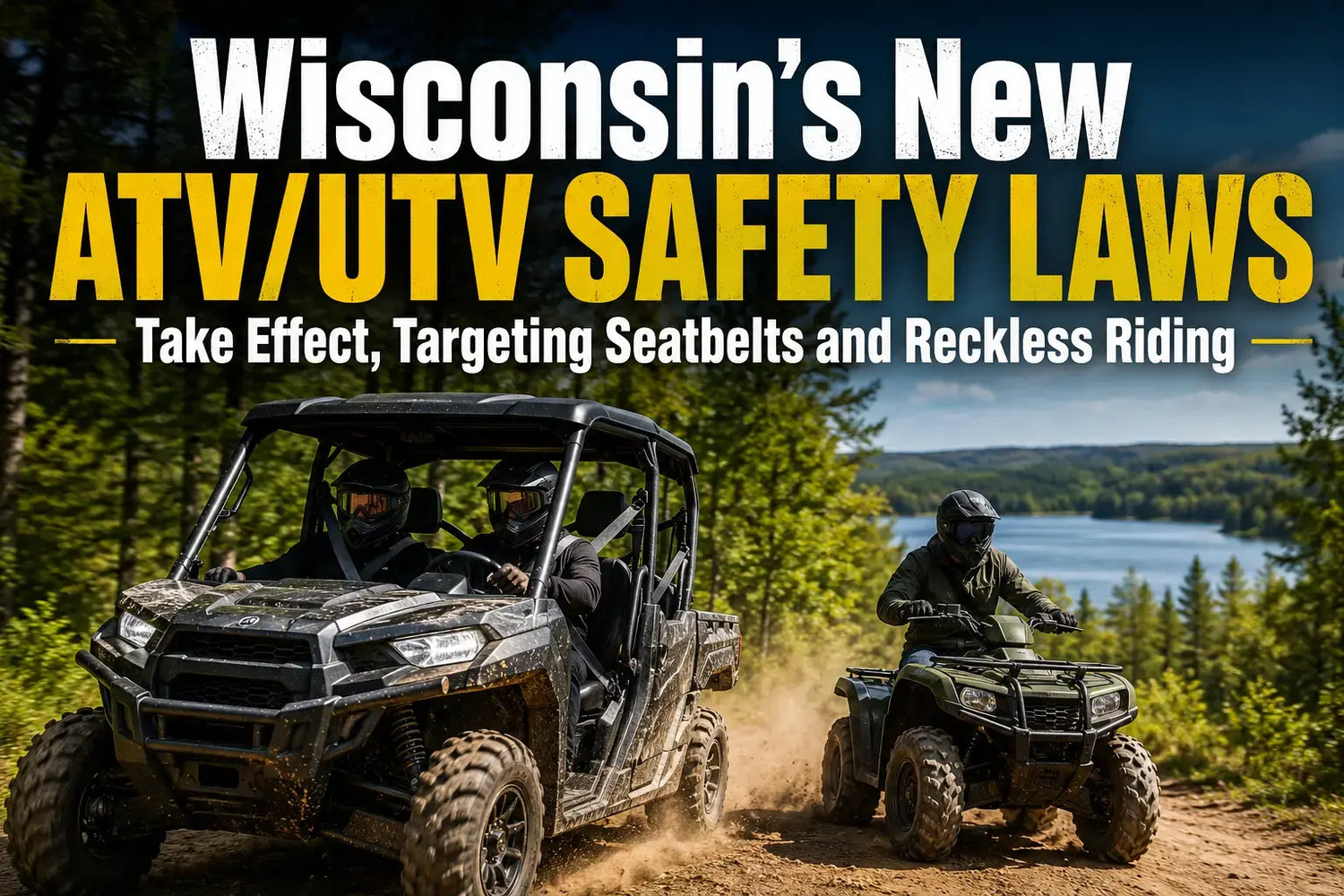
A package of new ATV and UTV regulations took effect across Wisconsin on June 1, 2026. The Wisconsin Department of Natural Resources (DNR) says the changes are aimed at cutting serious injuries and deaths, which it links largely to riders not wearing seatbelts or helmets. The rules apply statewide to operators and passengers on trails, routes and public riding areas.
What's Changing
The updated law introduces several new requirements:
- Seatbelts: All operators and passengers in a UTV must wear a seatbelt.
- Eye protection: Required for riders on vehicles without a windshield.
- Windshield tint: UTV windshield tint must meet DOT standards.
- Passenger seating: Riders may only use factory-installed seating — no improvised "bump seats" or riding in cargo boxes.
- Towing people: Operators may not tow any object carrying a person on a trail or route. Towing a person on ice is capped at 10 mph.
- Noise: Vehicles may not be operated in a loud manner — including squealing tires, revving or horn-blowing — that disturbs others.
- Intentional damage: Causing deliberate damage with an ATV or UTV can require restitution of up to three times the repair cost.
According to local reporting, failing to wear a seatbelt in a UTV or ATV can carry a fine of $295 per offense. Existing rules remain in place, including mandatory helmets for riders under 18 and a safety-course requirement for operators born on or after January 1, 1988.
Why the Rules Were Tightened
The DNR reported 15 ATV/UTV-related deaths in Wisconsin so far this year as of late May. Officials say the safety pattern behind those crashes is consistent.
"The majority of our serious injury and fatal crashes in UTVs involve people not wearing a seatbelt or a helmet," said Jake Holsclaw, the DNR's off-highway vehicle administrator. He urged riders to "ride safe by wearing your helmets and seatbelts, knowing the rules and riding sober."
Randy Harden, president of the Wisconsin ATV-UTV Association, framed the issue around responsibility: "It's not a toy. It's a recreational vehicle. It's a lot of fun, but you have to do it safely and responsibly."
What Riders Should Do
Riders heading out this summer should confirm their machine has working factory seatbelts, that windshield tint meets DOT standards, and that any passengers ride only in factory seats. Carrying eye protection is essential on open-cab vehicles. The DNR directs riders with questions to local conservation wardens or DNR Customer Service at 888-936-7463.
The Bigger Picture: Off-Road Riding Is Getting More Accountable
Wisconsin isn't an outlier. From seatbelt mandates and sober-riding pushes to restitution of up to three times the repair cost for intentional damage, the direction of travel across ATV/UTV and off-road recreation is the same: more accountability for how you ride. As one state official put it, “It's not a toy.” For everyone who rides — and for the tow vehicles that get them to the trail — that raises the value of being able to show what actually happened, not just say it.
Most crashes and disputes come down to one question: whose account do you believe? The riders and drivers who can answer that with a recording, not an argument, are the ones who come out of a bad day in a better spot.
Where a Dash Cam Fits In
A dash cam won't buckle your seatbelt for you, but it is the simplest way to build the documented, responsible rig these rules are pushing toward — on your truck or SUV tow vehicle, and on street-legal or cab-equipped side-by-sides.
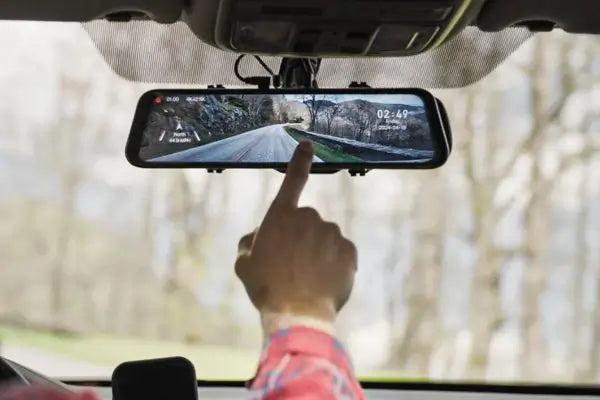
- Settle “what happened” with footage. A WOLFBOX mirror dash cam records the road with GPS and a timestamp, so a crash, a near-miss, or a dispute over reckless riding is backed by evidence instead of memory — which matters more as fines and restitution climb.
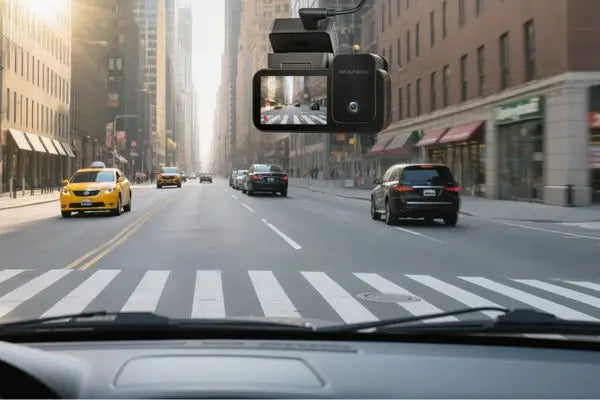
- Cover both directions. A front-and-rear dash cam captures what's behind you too — the tailgater, the trail incident, the parking-lot bump at the staging area — for a complete record on the drive to and from the trailhead.
FAQ
What changed in Wisconsin's ATV/UTV law on June 1, 2026?
New statewide rules require seatbelts for all UTV operators and passengers, eye protection on vehicles without a windshield, DOT-standard windshield tint, factory-only passenger seating (no bump seats or riding in cargo boxes), limits on towing people, and noise restrictions; intentional damage can bring restitution of up to three times the repair cost.
What is the fine for not wearing a seatbelt?
According to local reporting, failing to wear a seatbelt in a UTV or ATV can carry a fine of $295 per offense. Helmets remain mandatory for riders under 18, and a safety course is required for operators born on or after January 1, 1988.
Why did Wisconsin tighten the rules?
The Wisconsin DNR reported 15 ATV/UTV-related deaths in the state so far this year as of late May, and says most serious injury and fatal UTV crashes involve people not wearing a seatbelt or helmet.
Can a dash cam help after an off-road crash or dispute?
Yes. A GPS-enabled dash cam on your rig or tow vehicle records a timestamped, located account of what happened, which can support an insurance claim or help clarify fault in a crash or reckless-riding dispute.
Sources
- Wisconsin DNR — ATV/UTV Law Changes Take Effect June 1
- WBAY — New ATV and UTV safety laws take effect in Wisconsin June 1
- WSAW — New regulations for ATV/UTV drivers take effect June 1
- FOX6 Milwaukee — Wisconsin DNR: ATV and UTV law changes now in effect
- WTMJ — Wisconsin ATV, UTV riders should know these new rules
- WeAreGreenBay — Wisconsin unveils new UTV/ATV laws in effect beginning June 1st

Leave a comment
This site is protected by hCaptcha and the hCaptcha Privacy Policy and Terms of Service apply.