





WOLFBOX Brands
WOLFBOX Brands
From dead batteries to tire pressure issues, here's how to stay prepared when driving off the grid.
Getting to a remote access point for a trail often means leaving pavement behind. Forest service roads, gravel climbs, and uneven access routes are often the gateway to the best hikes, rides, and campsites. Those same roads also have a way of exposing small vehicle issues that rarely show up during everyday commuting.
Over the years, I've pulled into plenty of remote parking areas before sunrise for rides and outdoor trips, and the same situations tend to repeat themselves. Someone turns the key after loading their gear, and the battery struggles to start. Another driver notices a tire looking softer than expected after miles of rough gravel. Sometimes it's something as simple as realizing the road ahead would have been much easier with slightly lower tire pressure.
None of these situations is unusual. Remote access roads, temperature swings, and long stretches without services naturally make small mechanical issues more noticeable. The difference between a minor inconvenience and a trip-ending problem usually comes down to preparation.
Knowing how to handle the most common vehicle issues that arise in remote-access areas can prevent a minor setback from cutting an outdoor adventure short.
Table of contents
In my experience, the issues that most often show up at remote trailheads involve battery trouble or tire pressure changes. They're rarely major mechanical failures. More often, they're small problems that become obvious after miles of rough access roads and a few hours parked far from the nearest services.
Early mornings are a common culprit for battery problems. Headlights stay on while unloading bikes, and interior lights run while gear gets sorted. If the battery is already a little tired, it may struggle to start the engine again.
Tire pressure is another thing drivers notice once they step out of the vehicle. Gravel roads, rocky approaches, and cooler overnight temperatures can make a tire appear slightly softer than expected. Sometimes it's just a small pressure change. Other times, the rough approach makes it clear the drive would have been smoother with slightly lower pressure.
Neither situation is unusual in these environments. When you spend enough time visiting trailheads and backcountry access points, you start to see how often these small issues appear—and how much easier they are to handle with a little preparation.
If you spend time overlanding, wheeling, or exploring remote forest roads, carrying a portable jump starter should already be part of your vehicle kit. Once you leave pavement and head toward backcountry access roads, self-reliance becomes part of the experience.
Dead batteries show up at trailheads more often than people expect. Early arrivals mean headlights stay on while unloading gear, and interior lights stay on while organizing packs and snacks. After a few hours on the trail, you return to the vehicle, turn the key, and the engine responds with a slow, unimpressed crank.
If you're traveling with friends, someone might be able to give you a jump. But many outdoor trips involve heading out solo or arriving at a quiet trailhead with no other vehicles around. In those situations, a portable jump starter lets you solve the problem yourself rather than wait for help.
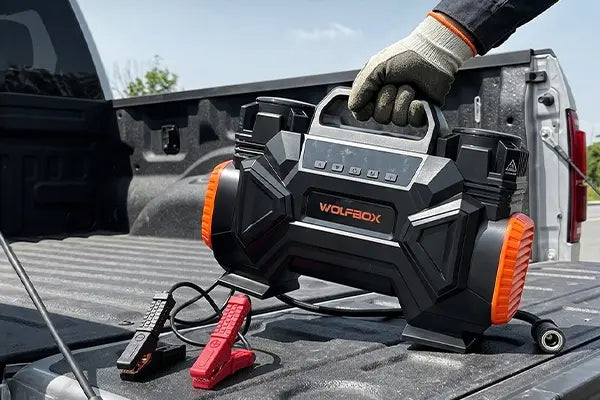
Compact units like the WOLFBOX MegaVolt 24Air deliver the power needed to handle that situation. The device provides enough power to jump-start a vehicle while remaining small enough to keep in a glove box or cargo compartment without taking up valuable space.
Using one is straightforward:
Connect the clamps to the battery terminals
Power on the unit
Start the vehicle
Once the engine turns over, let it idle for a few minutes so the alternator can begin recharging the battery.
For drivers who regularly venture beyond paved roads, a portable jump starter is a simple piece of backcountry insurance. You may not use it often, but when you're parked miles from the nearest service station with no other vehicles nearby, it quickly becomes one of the most valuable tools in your vehicle.
Tire pressure becomes a two-part story the moment pavement ends. The pressure that works perfectly on the highway isn't always ideal when the road turns to gravel, sand, or uneven forest-service terrain.
Highway tire pressure helps maintain efficiency and stability at speed. On rough access roads, however, it can make the ride feel stiff and harsh. Fully inflated tires bounce across rocks and washboard surfaces rather than conforming to the terrain.
Lowering tire pressure slightly allows the tire to flex and maintain better contact with the ground, improving traction and smoothing the ride.
Drivers who spend time exploring backroads quickly notice the difference. A modest pressure drop helps the vehicle settle onto loose gravel or rocky surfaces instead of skittering across them. It also takes the edge off those washboard roads that seem determined to rattle every loose bolt in your dashboard.
Airing down comes with a second step. Once the dirt road ends and pavement resumes, it's time to bring your tires back up to highway pressure. Driving long distances with low pressure can generate excess heat, increase tire wear, and make handling less stable at highway speeds.
That's where portable inflation tools come in. A compact compressor lets you bring your tires back to the correct pressure right at the trailhead. Instead of searching for a gas station air pump somewhere down the road, you can reinflate your tires before leaving the dirt road behind.
Preparing your vehicle for remote trailheads doesn't require packing half a garage into the back of your truck. The most useful gear is compact, reliable, and capable of solving the small problems that tend to appear once you leave pavement.
A few essentials go a long way when driving forest roads or heading toward backcountry access points:
Portable jump starter – Restart your vehicle if the battery dies and no other cars are around to lend a jump.
Portable tire inflator or compressor – Reinflate tires after airing down for rough roads.
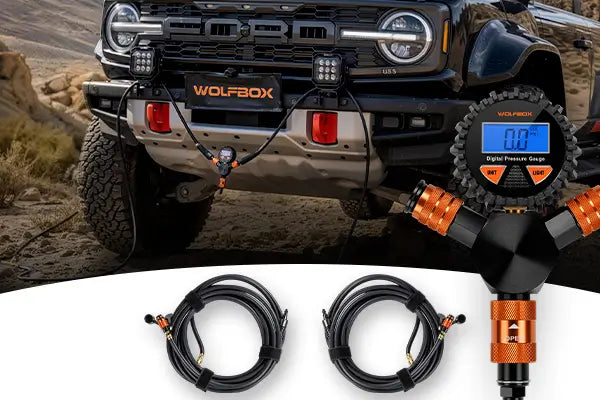
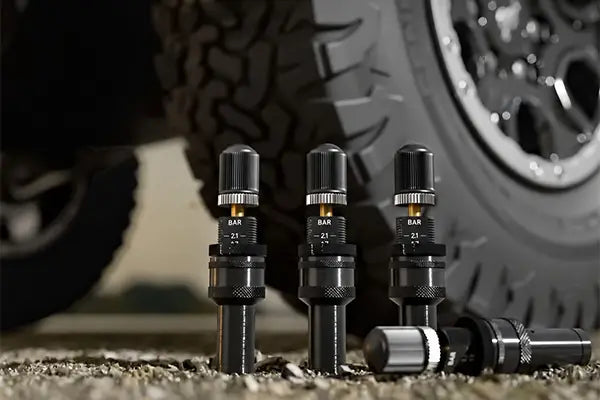
Automatic tire deflators – Quickly and consistently drop tire pressure when leaving pavement.
Basic tire repair kit – Useful for patching small punctures caused by gravel or rocky terrain.
Work gloves and a flashlight or headlamp – Simple tools that make roadside fixes easier, especially late in the day.
Many drivers prefer gear that combines several of these functions into a single device. Multi-purpose tools like the WOLFBOX MegaVolt 24Air, which includes a jump starter, air compressor, and tire deflators, help reduce clutter while still covering some of the most common trailhead issues.
The goal isn't to prepare for every possible mechanical problem. It's simple to carry a few practical tools to help you handle the situations drivers most often encounter when venturing a little farther off the map.
Remote trailheads are often where the best outdoor experiences begin. They're also where small vehicle issues tend to show up, whether it's a tired battery after a long morning on the trail or tire pressure that doesn't quite match the road you just drove.
These situations come with the territory when you travel beyond paved roads. Convenience is limited, and self-reliance matters more. The key is to keep things simple and be prepared for the issues that show up most often.
A few basics go a long way:
Keep a portable jump starter on hand, so you're not relying on another vehicle
Check tire pressure before and after rough access roads
Carry a compact inflator or compressor to make quick adjustments on the spot
Do a quick walkaround before leaving to catch anything that looks off
When you spend time overlanding, wheeling, or exploring backcountry access roads, a little preparation keeps the focus where it belongs—on the adventure, not the drive home.
Jarrod Nobbe
Jarrod Nobbe is a North Carolina–based outdoor writer who spends his time exploring backcountry roads, hiking rugged trails, and racing gravity (enduro and downhill) mountain bike events. Whether he's navigating remote trailheads, carving out new lines on the trail, or setting up camp out of his 6th-gen 4Runner, he's constantly putting gear to the test in real-world conditions. His writing is rooted in firsthand experience, offering practical insight into what holds up when you're off the grid and deep into the elements.


