








Table of Contents
The Impact: What's Happening to Your Trails
Federal court rulings are reshaping where off-road enthusiasts can legally ride. A 2026 court decision resulted in closure of approximately 2,200 miles of designated OHV routes in the Western Mojave planning area—terrain previously managed for public use. This is not an isolated incident. As more environmental litigation targets route systems across the country, riders face a growing question: which trails will remain accessible next year?
The impact extends beyond recreation. Route closures affect dealerships, local tourism, event operations, and the supply chain that supports off-road enthusiasts. Communities built around access to public lands face tangible economic consequences.
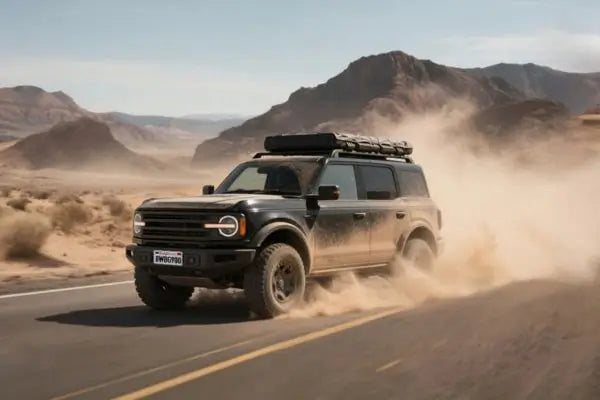
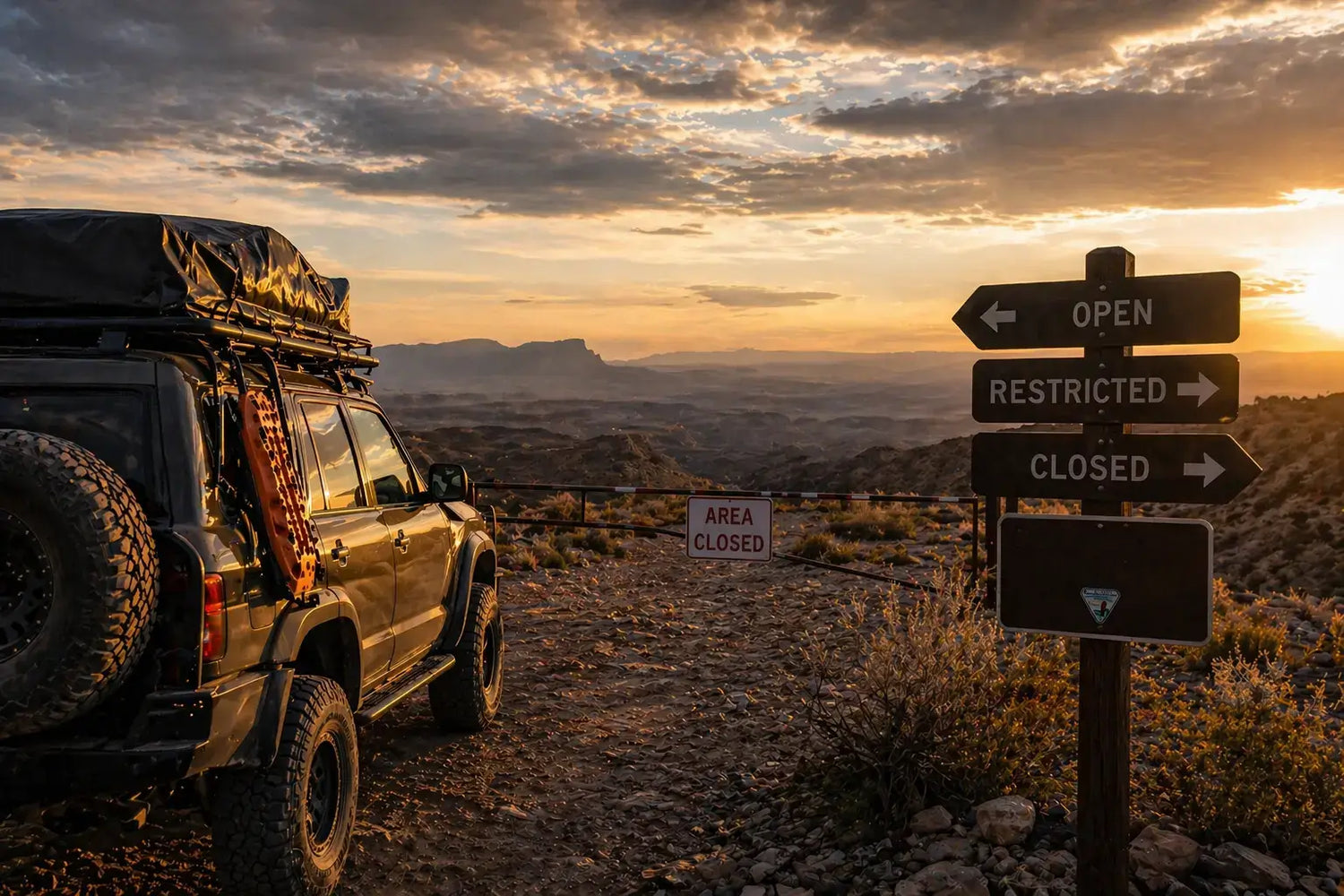
 Designated OHV routes provide access to remote recreation areas. Route closures limit options for off-road enthusiasts and impact local economies.
The Facts: 2,200 Miles and Counting
Western Mojave Ruling (2026): A federal court ruled that approximately 2,200 miles of designated OHV routes in the Western Mojave planning area must be closed. The decision was not based on new legislation, but on the court's interpretation of existing land-management regulations and environmental law.
This is significant because it means access can be lost through litigation, not just policy change. As more environmental groups file lawsuits targeting route systems, additional closures are possible.
How It Happened
The mechanism is straightforward: environmental organizations file lawsuits claiming that existing route designations violate environmental law. Courts, in reviewing the cases, reinterpret how land-management agencies should implement existing regulations. The result is route closures without new laws being passed.
This creates a pattern. Once a court rules that a particular route system violates environmental standards, similar systems elsewhere face legal challenge. Precedent shapes outcomes. A loss in one region increases risk of losses in others.
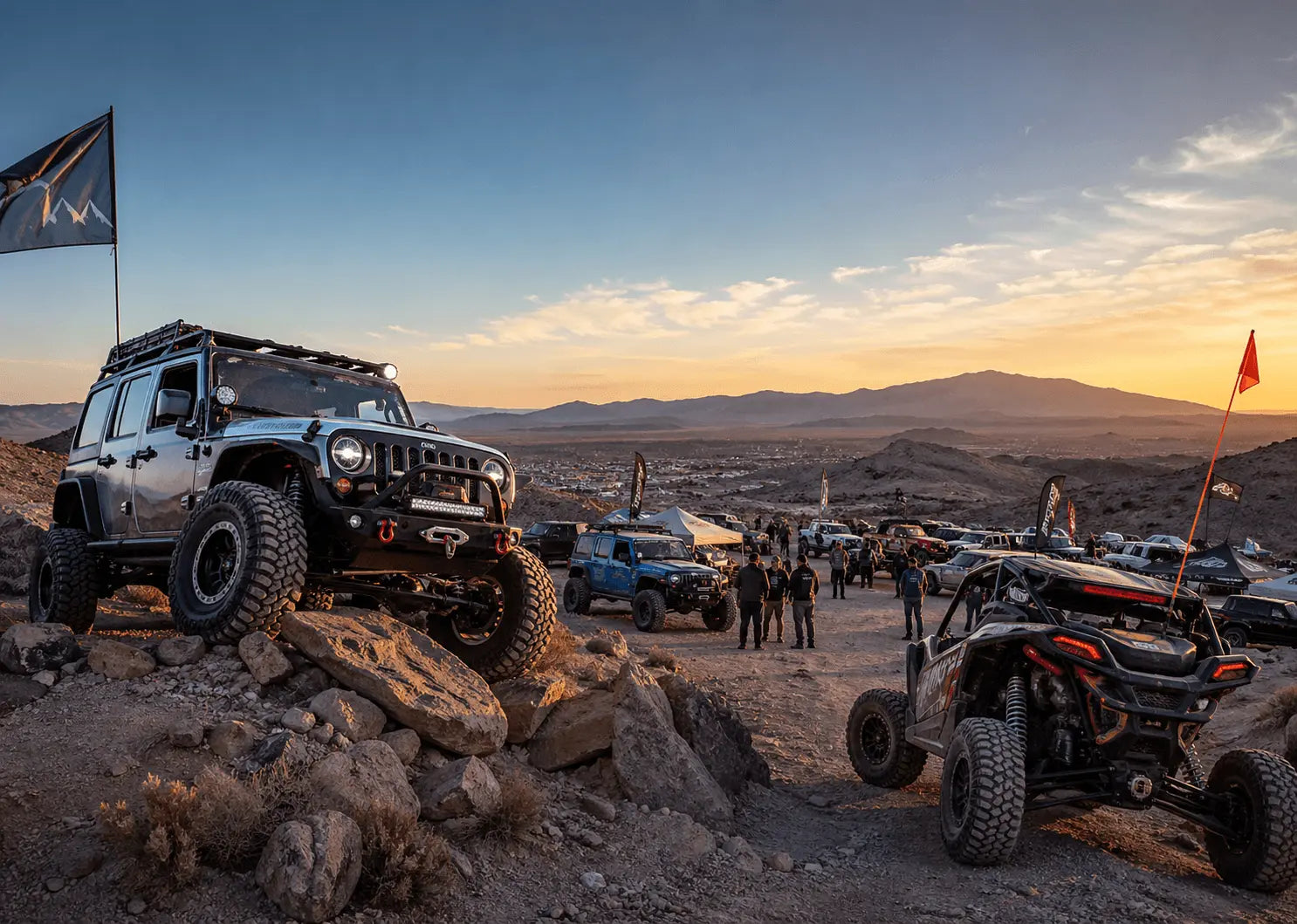
 Federal land-management decisions affect access to backcountry areas throughout the West.
Defense Mobilizes
The off-road industry has begun organizing a coordinated response. The Off-Road Business Association (ORBA), backed by SEMA (Specialty Equipment Market Association), is positioning itself as a national advocate for motorized access.
What changed: SEMA's 2025 acquisition of ORBA has integrated off-road advocacy into SEMA's broader government-affairs operation. This provides ORBA access to legal resources, legislative connections, and financial backing for litigation.
ORBA is recruiting members for a coordinated national advocacy effort. The organization has begun releasing economic impact research to quantify the consequences of access loss on dealerships, event operations, tourism infrastructure, and regional employment.
Why Precedent Matters
Oceano Dunes, California: In 2025, a California Supreme Court decision threatened to close Oceano Dunes to off-road riding. SEMA invested in litigation funding to mount a defense. The dunes remained open. This case demonstrates that strategic litigation support can preserve access—but requires resources and coordination.
ORBA's strategy reflects this lesson: organized defense works. Without coalition support and litigation funding, individual riders and small groups lose access battles.
Summary
Federal court rulings are closing motorized access to public lands. Approximately 2,200 miles of designated OHV routes in the Western Mojave planning area have been closed through litigation, not new legislation. This establishes a legal precedent: routes can disappear when courts reinterpret how existing regulations should be applied.
The mechanism is significant. Environmental organizations file lawsuits challenging route designations. Courts, in reviewing these cases, reinterpret land-management standards. The result is route closures without new laws being passed. A legal loss in one region increases the risk of similar losses elsewhere.
The off-road industry is organizing a coordinated response. ORBA, backed by SEMA's resources and government-affairs expertise, is positioning itself as a national advocate for motorized access. This represents a shift from localized, reactive efforts to organized, strategic defense. A precedent exists: Oceano Dunes in California remained open because SEMA invested in litigation funding to defend access.
Route closures have economic consequences beyond recreation. Dealerships, event operations, tourism infrastructure, and regional employment in communities dependent on off-road access are affected. This economic dimension has become a central argument in access preservation efforts—reframing the debate beyond recreation versus conservation to include the economic stakes for industry and communities.
WOLFBOX Take: What One Rider Can Actually Do
The uncomfortable takeaway here is that access is increasingly decided in courtrooms, on arguments about whether routes were used and managed responsibly. You can't personally win a federal case — but you can be part of the evidence that off-roaders are responsible users, which is exactly the ground the community's legal defense is fought on. Staying on designated routes, treading lightly, and being able to show it is the individual version of what ORBA and SEMA are doing at scale.
It's a small thing, but it matters: a rider who can demonstrate they stayed on legal, designated routes strengthens the case that motorized recreation and responsible land use go together.
- Keep a record of where you actually rode. A GPS-enabled WOLFBOX dash cam logs your route with location and time, so “we stayed on the designated trail” is something you can show, not just say — useful for your own defense and as a habit that reflects well on the community.
- Why GPS matters on public land. Our guide to the benefits of dash cams with GPS tracking explains how location-tagged footage documents responsible, on-route riding.
FAQ
What happened to OHV routes in the Western Mojave?
A 2026 federal court ruling ordered the closure of approximately 2,200 miles of designated OHV routes in the Western Mojave planning area. The closure came through litigation and the court's reinterpretation of existing land-management and environmental regulations — not new legislation.
Why does this matter beyond the Mojave?
It sets a precedent. Once a court rules that a route system violates environmental standards, similar systems elsewhere face legal challenge, so a loss in one region increases the risk of closures in others.
Who is defending off-road access?
The Off-Road Business Association (ORBA), backed by SEMA since its 2025 acquisition, is organizing a national advocacy and litigation-support effort. A precedent exists: Oceano Dunes in California stayed open in 2025 after SEMA invested in litigation funding.
What can an individual rider do?
Stay on designated routes, support access-advocacy groups, and keep your own record — a GPS dash cam documents that you rode legal, designated trails, reinforcing the responsible-use case the community makes in court.

Leave a comment
This site is protected by hCaptcha and the hCaptcha Privacy Policy and Terms of Service apply.