


Table of Contents
- Trump Rescinds Nixon- and Carter-Era OHV Orders
- Forest Service Draft Order Would Expand ORV Access
- What Changes for Off-Roaders
- WOLFBOX Analysis: More Access, Same Rules
- Heading Into Newly Opened Trails? Gear Up First
- FAQ
Trump Rescinds Nixon- and Carter-Era OHV Orders
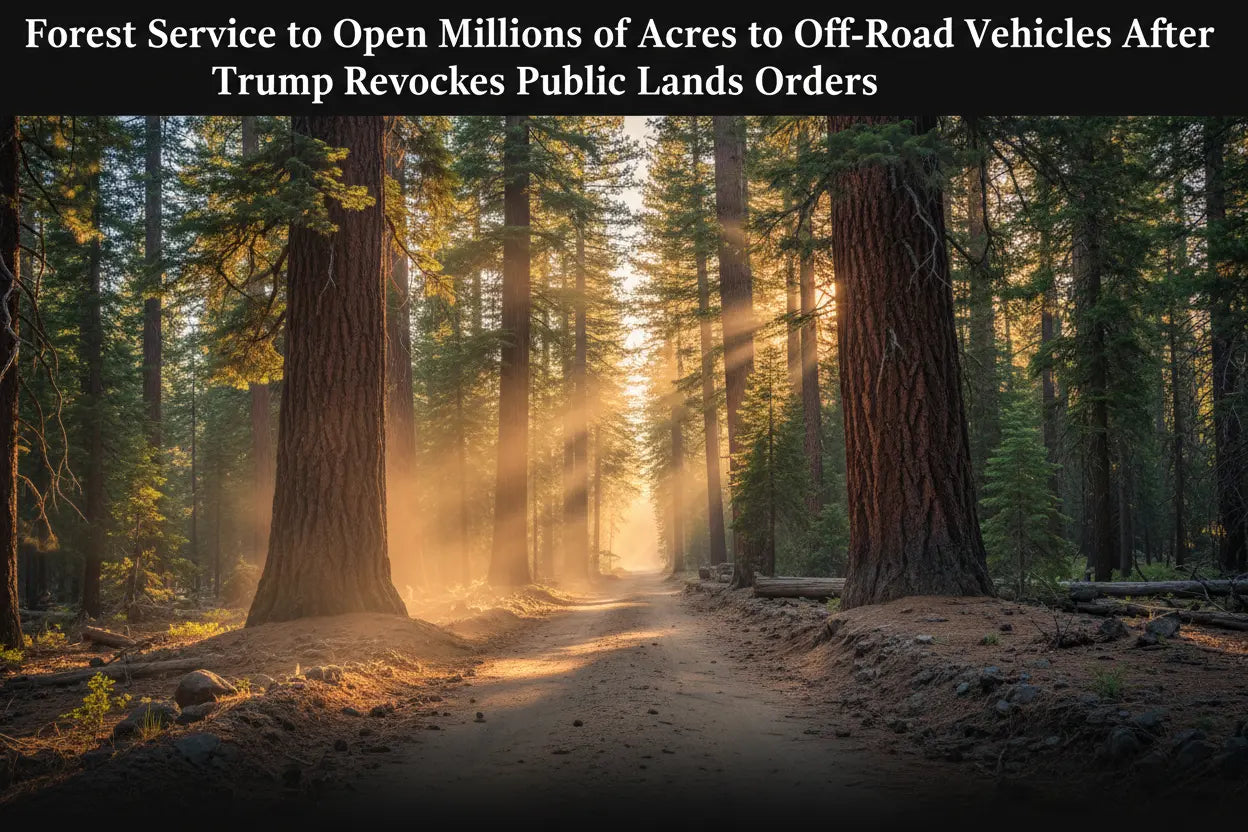
President Trump rescinded Executive Order 11644 and Executive Order 11989 at the end of May, removing the two landmark regulations that governed off-road vehicle access on federal public lands since the 1970s. E.O. 11644, signed by President Nixon in 1972, established the first unified federal policy for ORV use across public lands. E.O. 11989, signed by President Carter in 1977, gave federal agency heads authority to close areas to off-road vehicles when they determined motorized use caused adverse effects on soil, vegetation, wildlife, or cultural resources. The administration stated the orders were redundant to existing federal law and created unnecessary barriers to recreational and industrial land use.
Forest Service Draft Order Would Expand ORV Access
On June 5, the New York Times reported that the U.S. Forest Service is preparing a draft order to open millions of acres of national forest land to off-road vehicles. The draft, prepared for Agriculture Secretary Brooke Rollins, would significantly expand the area where ORVs, dirt bikes, and 4x4s are permitted. Conservation groups including the Southern Utah Wilderness Alliance condemned the move, warning it threatens wildlife habitat, water quality, and non-motorized recreation. The Forest Service manages 193 million acres of national forests and grasslands across the country.
What Changes for Off-Roaders
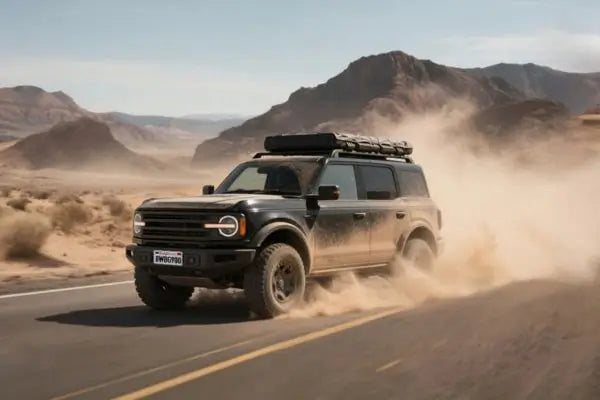
In practice, ORV access will expand to more designated trails and recreation areas but remains restricted to those routes — this is not a free-for-all. The definition of off-road vehicle has not changed, and driving off designated trails remains illegal. The order primarily removes what the administration calls outdated regulatory layers, though the practical effect could add thousands of miles of new trail access for the overlanding and off-road community. The changes also affect National Park Service lands, potentially opening some backcountry roads to motorized vehicles for the first time. Opponents have signaled legal challenges.
WOLFBOX Analysis: More Access, Same Rules — Why Documentation Matters
It's easy to read “millions of acres opened” as a green light to roam anywhere. It isn't. As the draft order itself makes clear, expanded access still means designated routes — driving off a designated trail remains illegal, and with conservation groups already signaling legal challenges, newly opened areas are likely to see more scrutiny, not less. For the overlanding and off-road community, that turns “where am I allowed to be” into a question worth being able to answer.
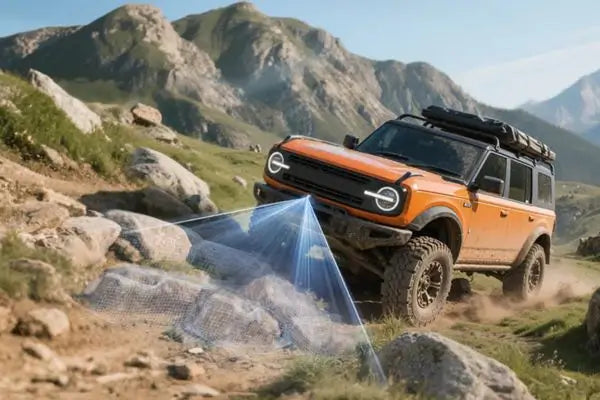
There's also a practical reality the headlines skip: a lot of this newly accessible land is remote, unfamiliar and far from help. More trail miles is great news — but it also means more first-timers heading deeper into terrain where a wrong turn, a stuck rig or a dead battery is a much bigger problem than it is on a popular, well-traveled route.
Heading Into Newly Opened Trails? Gear Up First
If these changes have you eyeing routes you've never run, two things are worth sorting before you go — staying on the legal line, and staying self-reliant when the trail gets remote.
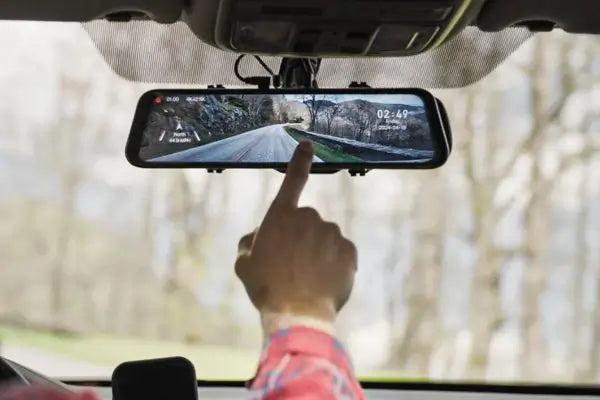
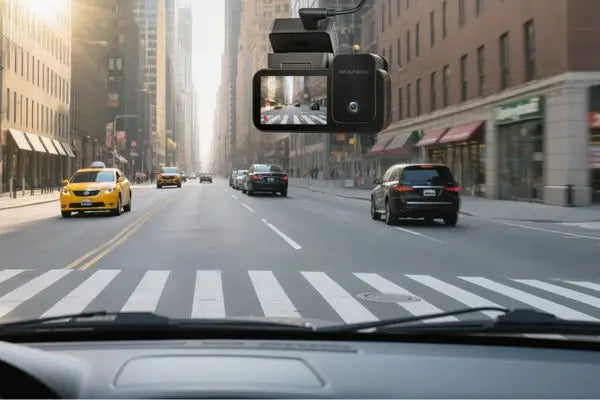
- Record where you actually drove. A GPS-tagged dash cam quietly logs your route, so “we stayed on the designated trail” is something you can show, not just say — useful in exactly the kind of contested, newly opened areas this order creates. A WOLFBOX smart rearview mirror camera records the road ahead and behind with location and timestamp, which doubles as your evidence after any trailhead incident or dispute.
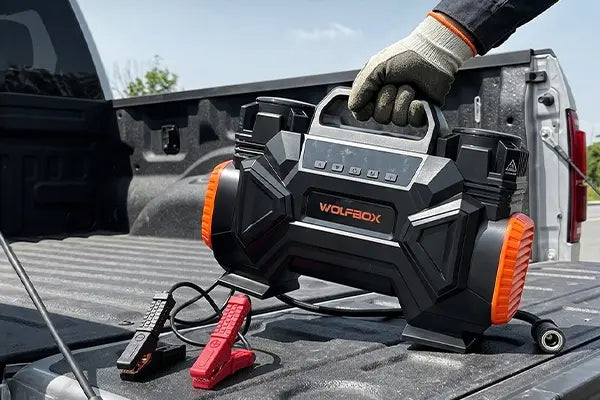
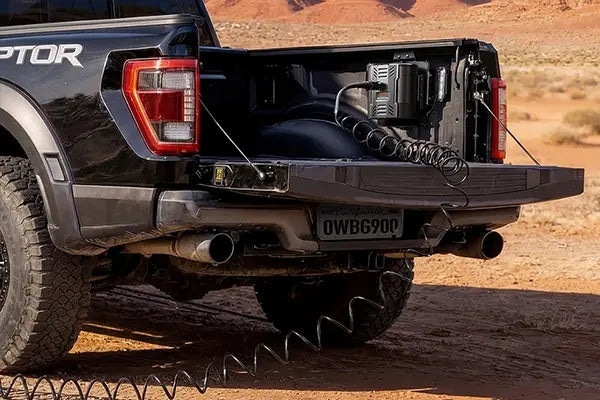
- Air down for the terrain, air back up for the drive home. Newly opened forest two-tracks, sand and rock all reward lower tire pressure — and punish you if you can't air back up. A portable WOLFBOX tire inflator is the cheapest capability upgrade most newcomers skip.
- Don't get stranded on an unfamiliar route. The deeper and less-traveled the trail, the longer the wait for help. A pocket WOLFBOX jump starter covers the most common way an overland day goes sideways — a dead battery miles from anyone.
FAQ
What did Trump's executive order actually change for off-roaders?
It rescinded Executive Orders 11644 (Nixon, 1972) and 11989 (Carter, 1977), the long-standing framework for off-road vehicle access on federal public lands, and cleared the way for a U.S. Forest Service draft order that would open millions more acres of national forest to ORVs, dirt bikes and 4x4s.
Does this mean I can drive off-trail anywhere now?
No. Access expands to more designated trails and recreation areas, but it is not a free-for-all — the definition of off-road vehicle is unchanged and driving off designated routes remains illegal.
How much land could be affected?
The U.S. Forest Service manages 193 million acres of national forests and grasslands; the draft order, plus related changes to National Park Service lands, could add thousands of miles of new trail access.
How can I prove I stayed on a designated trail?
A GPS-enabled dash cam such as a WOLFBOX mirror dash cam continuously logs your route with location and timestamps, giving you a record that you stayed on legal, designated trails if access in a newly opened area is ever questioned.
Sources
- The Drive — The Feds Plan To Open Up Public Lands to Off-Roading: Explained
- The New York Times — U.S. Forest Service to Open Millions of Acres to Off-Road Vehicles
- Southern Utah Wilderness Alliance — President Trump Revokes Executive Orders Protecting Public Lands
- Men's Journal — Trump's Latest Executive Order Opens Public Lands: What It Means For Off-Roaders

Leave a comment
This site is protected by hCaptcha and the hCaptcha Privacy Policy and Terms of Service apply.