








WOLFBOX Brands
WOLFBOX Brands
Imagine you are already running late for work. You turn the key in your car, but nothing happens. The battery is dead. This is one of the frustrating things that can happen to any car driver. That is why a lot of people now carry car jump starters in their trunk or in their glove box. These small devices can get your car started again in a few minutes, and you do not need another car or have to wait for a tow truck to arrive.
It is important to note that a jump starter cannot help at all if the battery used in it is depleted or even partially charged. In such cases, it will not help you in times of need.
You have to make sure you know how to charge your car jump starter the right way. Knowing how to charge a car jump starter is just as important as having a car jump starter.
In this guide, we will tell you everything you need to know about charging your car jump starter. We will go over the steps to charge your car jump starter, common mistakes that people make when they are charging their car jump starter, how long it usually takes to charge a car jump starter, and some tips to keep your car jump starter in good condition for a long time.
Table of contents
Most jump starters use lithium ion or lithium iron phosphate batteries. These batteries are powerful and compact. They need some care.
You have to charge them. Using the adapter or forgetting to recharge after use can shorten the life of your jump starter.
According to research by Battery University, lithium batteries last longer when they are between 20% and 80% charged. They also need to be stored at a certain temperature.
These rules apply to your jump starter, too. Keep your jump starter charged between 20% and 80%. Store it in a moderate temperature. This will make it last longer.
Before you plug anything in, make sure you have these items ready:
Your jump starter device
The original charging cable that came in the box
A compatible wall adapter (check your user manual for the correct output)
A power outlet or a 12V car port, if you are charging on the go
Always use the cable and adapter that came with your jump starter. Using a random phone charger might seem convenient, but it can deliver the wrong voltage and slowly damage the battery over time.
Follow these steps to charge your device safely and effectively.
Read the manual first. Every jump starter is slightly different. Spending five minutes reading the manual can save you from making a costly mistake.
Check the current battery level. Most jump starters have an LED indicator or a digital display. If it shows above 50%, you might not need a full charge right away.
Connect the charging cable. Plug one end into your jump starter and the other into the adapter, then plug the adapter into the wall outlet.
Watch for the charging indicator. The device should show a light or icon confirming it is charging. If nothing lights up, check your cable connection.
Wait for a full charge. Do not rush this step. Let the device charge until the indicator shows 100%.
Disconnect when done charging. Although today's jump starters come equipped with overcharge protection systems, it's always wise to disconnect once charging is done.
Take care of it. Store your jump starter in a cool, dry area that is away from direct heat sources.
Not everyone has a wall outlet nearby, especially when you're on the go. That's why it's helpful to know how to charge a jump starter with your car's 12V port.
To do this, you'll need a 12V charging cable. Sometimes it comes with the jump starter, but you have to buy it separately.
* Plug the cable into your car's cigarette port.
* Then connect the end to your jump starter.
Keep your car engine on while charging to avoid draining your car battery.
This method takes longer than using a wall outlet. It's a backup plan, but not what you should use every day.
This is among the most frequently asked questions when shopping for a jump starter. The truth is that it really depends on the power of the battery of the device and the charging mechanism used.
Below are some general guidelines on how many hours a jump starter takes to charge in relation to different battery types:
Battery Capacity |
Charging Method |
Estimated Time |
Notes |
|---|---|---|---|
10,000 to 12,000 mAh |
Wall adapter (2A) |
3 to 5 hours |
Most common type |
16,000 to 20,000 mAh |
Wall adapter (2A) |
6 to 8 hours |
Mid range capacity |
20,000 mAh and above |
Quick charge (5A+) |
4 to 6 hours |
Use QC adapter |
Any capacity |
12V car port |
8 to 12 hours |
Slowest method |
Larger batteries take time to charge. If your jump starter has a higher output, an adapter can help. First, check your manual to be sure. This can make charging faster.
A handful of practices will go a long way to increase the life span of your jump starter and improve its effectiveness.
Charge your jump starter once every three months, regardless of whether you have been using it. The lithium battery loses charge gradually, and keeping them idle at the zero level of charge for months may be damaging to them.
Always avoid charging it in temperatures lower than 32F (0 °C) and higher than 104F (40 °C). Charging your jump starter in extreme temperatures reduces efficiency.
Do not attempt to jump-start any car when your jump starter is being charged. It will result in overheating and put excessive pressure on the battery cells.
Always recharge your jump starter right after jumping a car. Jumping cars requires high amounts of power, which depletes the battery. Letting your device run low increases the risk of failures.
Before every jump, make sure there is no damage to your cable. A faulty cable leads to improper charging, and in rare occasions, it creates a risk of overheating.
Even experienced drivers make these mistakes. Knowing about them ahead of time can save you a lot of trouble.
Common Mistake |
Why It Is a Problem |
|---|---|
Using the wrong charger |
Can deliver incorrect voltage and damage internal cells |
Letting battery drain to zero |
Deeply discharged lithium batteries often cannot recover |
Charging in extreme temperatures |
Reduces capacity and shortens overall battery lifespan |
Ignoring the charge indicator |
Overcharging can cause heat buildup or swelling |
Using a damaged cable |
Leads to slow charging and possible short circuit risk |
Proper storage is just as important as proper charging. If you throw your jump starter in the back of your trunk and forget about it for a year, do not expect it to work when you need it.
Here are the key storage guidelines:
Store at around 50% to 80% charge level for long-term storage
Keep in a temperature-controlled environment, ideally between 59 and 77 degrees Fahrenheit (15 to 25 degrees Celsius)
Avoid storing near metal objects that could accidentally trigger the clamps
Set a reminder every three months to check the charge level and top it up if needed
If you pair your jump starter with a quality dash cam, you can also get real-time visibility into your driving environment.
In the Consumer Reports guide for car safety, they state that portable jump starters must be checked and recharged two times a year to guarantee proper functionality during emergencies. This will help increase the functionality of the device during any emergency situation.
A well-charged jump starter is one of those small but essential tools that can make a big difference in an emergency. By following proper charging habits, avoiding common mistakes, and storing it correctly, you ensure it's always ready when you need it most. Whether you're commuting daily or heading out on long road trips, maintaining your device is a simple step toward greater peace of mind on the road.
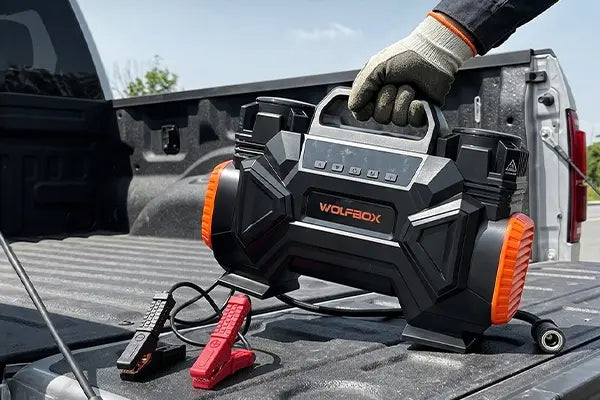
Brands like Wolfbox design jump starters with reliability and safety in mind, offering quality products that are built to perform when it matters. Choosing a dependable device and taking care of it properly ensures you're never left stranded with a dead battery at the worst possible time.
You should charge your jump starter every three months. This is because your jump starter has lithium ion batteries that lose charge over time. If your jump starter is completely empty and you leave it like that for long time, it might not charge properly later on.
No, you cannot use any USB charger. You should use the charger and cable that came with your jump starter or one that has the specifications as the one in your manual. If you use a charger that's too weak or too strong, it can damage the batteries inside your jump starter. You might not be able to return it.
Most new jump starters have protection that stops them from charging when they are full. It is still a good idea to unplug your jump starter when it is fully charged instead of leaving it plugged in for a long time.
There are a reasons why this might happen. The cable might be. Not plugged in all the way. There might be dirt in the charging port. The charger might not be the one for your jump starter. If your jump starter has been completely empty for a time, it might not charge anymore. If you try to fix these problems and it still does not work, you should contact the company that made your jump starter.
Yes, cold weather affects your jump starter. If you charge your jump starter when it is really cold, it can hurt the batteries. If you leave your jump starter in a car overnight, you should bring it inside and let it warm up before you try to charge it. This will help keep your jump starter working. Your jump starter has lithium batteries, and cold weather is bad for lithium batteries. So you should always try to charge your jump starter when it's warm.