






WOLFBOX Brands
WOLFBOX Brands
If you've ever asked yourself, "Are dash cams legal?" you've probably noticed many drivers using dash cams and digital rear view mirrors today. You want to keep yourself and your car protected and having a video can often help. The good news is that dash cams are legal in most parts of the United States.
With so much to keep track of, you want to make sure you're following the rules before using your dash cam. This guide gives you what you need: a simple look at where dash cams are allowed, important state rules like those in California, Florida and Alabama and how you can keep your dash cam use safe and legal.
In almost every part of the United States, dash cams are legal for you to use in your vehicle. But the details depend on where you live and drive. Some states tell you exactly where you can put your camera or if you must get permission to record sound inside your car. Other places care more about how and where you use the footage.
You are responsible for making sure your dash cam meets your state's laws, even if they seem different from what is allowed in other states. Sometimes your neighbor in another state might follow different rules than you do. It's your job to check these details for where you live, drive and travel.
Read more: Does a Dash Cam Record Audio
When you set up a dash cam or a digital rear view mirror in your vehicle, there are some common areas of the law that matter most. You can avoid trouble later by focusing on each of these legal issues from the start.
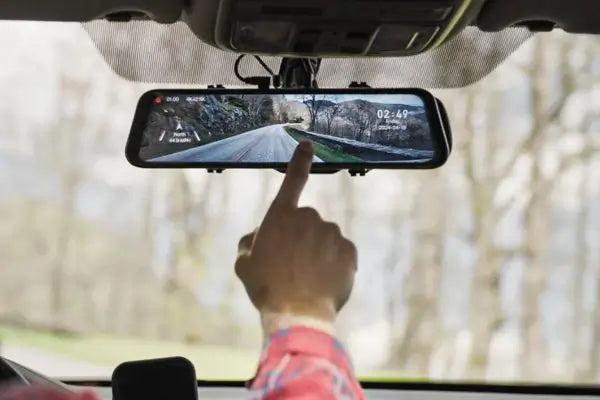
Where you put your dash cam in your car is often the first thing the law mentions. Most states want to make sure you have a clear view of the road. If your camera blocks your view, even a little, a police officer can stop you or give you a ticket. To avoid problems, you should mount your dash cam high up behind your rearview mirror.
States often have rules about how much of your windshield can be covered by any object, not just dash cams. These rules can tell you exactly what size is allowed. For example, in some places, your camera cannot take up more than 5 square inches on your side or 7 square inches on the passenger side.
Recording audio inside your car is a bigger legal issue than recording video for many states. The reason is privacy. In some states, as long as one person in the car knows about the recording, it is allowed. But in others, everyone in the car must agree before any sounds are recorded. In places like California and Florida (known as "all-party consent" states), you should get spoken or written agreement from everyone or post a clear sign in your car.
You might want to record everything while driving but privacy laws are there to help protect people's personal spaces. If your car and dash cam enter private property like a driveway or parking lot at someone's home, you may need to turn off your camera or ask permission first. Someone makes a complaint.
Recordings from your dash cam can be used as evidence if you are ever in a crash or need to show what happened while you were driving. But for your dash cam clips to count as legal evidence, you need to follow your state's rules.
Each state sets its own rules for dash cams and these can look very different from one place to the next. Some states have very few restrictions, while others may have several important rules to follow about mounting or recording audio.
State |
Mounting / Usage |
Audio Recording Consent |
Alabama |
Dashboard only; no windshield obstruction |
All-party consent required |
Alaska |
Legal if not obstructing; ≤ 5 sq in driver side |
One-party consent |
Arizona |
Dashboard only; windshield size limits (5″/7″) |
One-party consent |
Arkansas |
Behind rearview mirror; no obstruction |
One-party consent |
California |
Limited windshield zones; no obstruction; away from airbags |
All-party consent required |
Colorado |
Behind mirror or dashboard; no glare/obstruction |
One-party consent |
Connecticut |
Dashboard; no obstruction |
All-party consent required |
Delaware |
Dashboard only; no windshield mounting |
All-party consent required |
District of Columbia |
Dashboard; no windshield mounting |
All-party consent required |
Florida |
No windshield obstruction |
All-party consent required |
Georgia |
Dashboard only; windshield prohibited |
One-party consent |
Hawaii |
Corner windshield zones (5–7 sq in) or dashboard |
One-party consent |
Idaho |
Must not obstruct; behind mirror preferred |
One-party consent |
Illinois |
≤ 5 sq in driver side; no unreasonable obstruction |
All-party consent required |
Indiana |
Bottom corner (≤ 4″ square) or dashboard |
One-party consent |
Iowa |
Must not obstruct; dashboard recommended |
One-party consent |
Kansas |
Dashboard or windshield if not obstructing |
One-party consent |
Kentucky |
No specific mounting law; don’t obstruct view |
One-party consent |
Louisiana |
Dashboard recommended; clear view |
One-party consent |
Maine |
Dashboard or windshield if not obstructing |
One-party consent |
Maryland |
Above AS-1 line or ≤ 5″ below top; no obstruction |
All-party consent required |
Massachusetts |
Dashboard only; windshield prohibited |
All-party consent required |
Michigan |
Dashboard only; no windshield; no obstruction |
All-party consent required |
Minnesota |
Behind mirror allowed; dashboard not allowed |
One-party consent |
Mississippi |
Must not obstruct; dashboard recommended |
One-party consent |
Missouri |
No specific rules; avoid obstruction |
One-party consent |
Montana |
Dashboard only; no windshield |
All-party consent required |
Nebraska |
Dashboard recommended; no windshield |
One-party consent |
Nevada |
Dashboard or passenger-side windshield (≤ 6″ square) |
All-party consent required |
New Hampshire |
Dashboard only; rear cameras allowed |
All-party consent required |
New Jersey |
Dashboard preferred; windshield if not obstructing |
One-party consent |
New Mexico |
Dashboard or rearview area; no obstruction |
One-party consent |
New York |
Dashboard or near mirror; avoid airbags/obstruction |
One-party consent |
North Carolina |
No specific statute; avoid obstruction |
One-party consent |
North Dakota |
Dashboard only; no windshield; clear windows |
One-party consent |
Ohio |
Dashboard or non-obstructing; windshield prohibited |
One-party consent |
Oklahoma |
Dashboard; no obstruction or airbag interference |
One-party consent |
Oregon |
Dashboard; no windshield mounting |
All-party consent required |
Pennsylvania |
Dashboard; screen hidden; no windshield mounting |
All-party consent required |
Rhode Island |
Windshield allowed if no obstruction |
One-party consent |
South Carolina |
Dashboard only; no windshield; clear view |
One-party consent |
South Dakota |
Dashboard only; no windshield; clear view |
One-party consent |
Tennessee |
Dashboard only; no windshield; clear view |
One-party consent |
Texas |
No obstruction; avoid airbags; dashboard or corners |
One-party consent |
Utah |
Small windshield zones (≤ 4″) or dashboard |
One-party consent |
Vermont |
Small windshield zones; dashboard OK |
One-party consent |
Virginia |
No obstruction; dashboard or near mirror |
One-party consent |
Washington |
≤ 5″ driver / 7″ passenger; no obstruction |
All-party consent required |
West Virginia |
Dashboard only; no windshield; clear view |
One-party consent |
Wisconsin |
Behind rearview mirror only; outside wiper path |
One-party consent |
Wyoming |
Dashboard; no obstruction; clear visibility |
One-party consent |
Staying within the law when you use a dash cam is not just about reading the rules once. It's also about making safe and respectful choices every day.
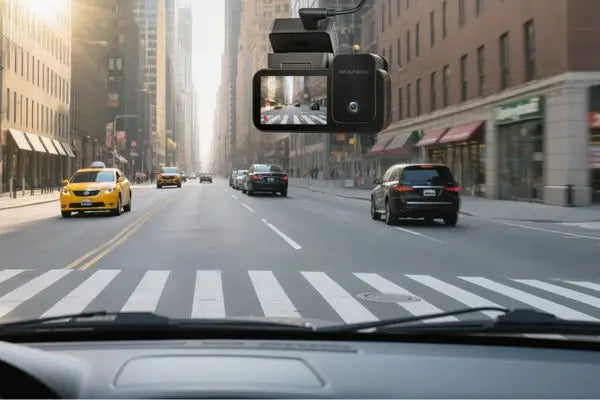
The safest spot for your dash cam is usually behind your regular rearview mirror. There, it won't block your view of the road and most officers see it as a legal place. Always make sure your camera size and position follow your state's rules about windshield coverage.
Read more: Where to Place Dash Cam
Recording voices in your car isn't always allowed without permission. If you're a rideshare driver, make sure to get your passengers' consent before using your dash cam's microphone, especially in states that require all-party consent.
When you drive into private spaces like garages, driveways or private parking lots, check if you have permission to record there. Even though the camera helps you, other people may feel it's an invasion of their privacy.
Dash cam clips are most helpful to you when they are clean, clear and complete. You should avoid erasing or editing any recordings unless you're sure they won't be needed later. Set your Wolfbox dash cam to use time and date watermarking and back up important files on a computer, cloud or external memory.
Laws about dash cams can change when new rules pass or as new types of cameras like digital rearview mirrors, become more common. You can quickly check your state's Department of Motor Vehicles (DMV) website or any public safety office for updates.
Some dash cams like those from Wolfbox, are built to help you stay on the right side of the law. Devices that fit neatly behind your mirror or let you turn off audio recording easily, are good choices. Always check the product's features for anything that helps you follow the rules in your area.
To sum up, dash cams are legal for you to use in every U.S. state. But you always need to pay attention to mounting rules, audio recording laws and how you use and store your video. Each state may have a different twist on what's allowed or not, so checking before you install or use your dash cam is smart.
In which states are dashcams illegal?
None. You can have a dash cam in every state, but you must check each state's rules on where to put it, how to record audio and when you can use the footage. Respect the law every time you travel or move.
Do dash cameras hold up in court?
With the right setup, yes. As long as you follow all your state's rules, show clear time and date marks and never change or cut your files, judges accept dash cam footage as legal evidence. Take care with your recordings to get the best support if you need it.
Are dash cams legal in California?
Yes, but watch out for where you stick it. California says you can only put a dash cam in certain windshield areas and only use up to 5 or 7 square inches, depending on if it's on the driver or passenger side. Make sure your camera doesn't block your view.
Are dash cams legal in Florida?
Yes. In Florida, you're not allowed to block the driver's view with your dash cam. Keep your camera small and off to the side or behind your mirror for best results.
How to follow dash cam laws by state?
Read up on mounting, audio and privacy rules for every state where you drive your car. Install your Wolfbox camera following these points so you are always covered and never at legal risk.