






WOLFBOX Brands
WOLFBOX Brands
The best dash cam for night driving is less about a flashy "night vision" label and more about capturing usable details when lighting is at its worst. On unlit highways, backroads, and late‑night camping routes, headlights and reflective signs can blow out key details, while low light can introduce noise and motion blur.
In this guide, we'll break down why night footage often fails, which specs actually make a difference, and how to set up your dash cam so your recordings stay clearer after dark. We'll also compare several strong options to help you choose the right fit for your driving habits.
Table of contents
Let's start by understanding what causes dash cam footage to look bad in low-light conditions.
Your headlights can bounce light off other car plates and road signs, making bright spots that cover up important details in your video. This is called blown highlights. Strong glare can also stop you from seeing license plates or road hazards.
When your dash cam faces a dark forest or empty field, the background looks black. Weak cameras start to show speckles (called noise) or smeared shapes. This happens because the image sensor cannot find enough light.
If you are driving on rough roads or trails, your dash cam will feel every bump. Shaky mounts or slow camera shutters turn your videos into a blur. Motion blur hides details and makes it hard for you to use the video for proof if needed.
Dust or smudges on your car's windshield scatter your headlights and can fill the video with ugly glare. Your dash cam might seem like it records badly, but often the real problem is a dirty windshield.
To be sure that your dash cam will work on dark roads, you need to pay attention to some important features.
The image sensor is the part of your dash cam that collects light. A dash cam with a Sony STARVIS or STARVIS 2 sensor will help you see details in the dark much better than regular cameras. STARVIS 2 is a newer version with better low-light performance, so you get clearer footage.
High Dynamic Range (HDR) and Wide Dynamic Range (WDR) help your video balance very bright lights and deep shadows. HDR and WDR stop headlights from swallowing up number plates.
Lens aperture decides how much light reaches your camera's sensor. A lens marked f/1.6 is better for night than one marked f/2.0 because it collects more light. When you have a wider aperture (low f-number), your dash cam sees more clearly in the dark.
Frame rate is how many images your dash cam captures per second. A 60fps dash cam (frames per second) shows your drive more smoothly and reduces blur when you hit rough spots. Fast shutter speeds also help by freezing moving objects, so you never miss a sign or plate.
The field of view (FOV) is how wide your camera can see. If your FOV is about 140 degrees, you can capture most of the road in front of your car. Lenses that are too wide make everything look small. Lenses that are too narrow miss important things on the sides.
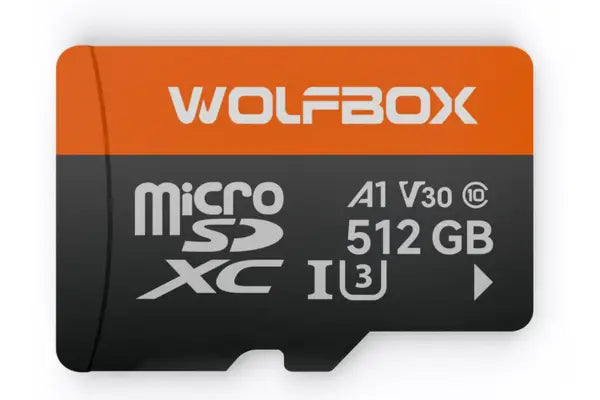
Your dash cam saves many hours of video on a memory card. If you use a basic memory card, it can wear out or lose your recordings. Look for a dash cam that uses high-endurance microSD cards made for constant recording.
Your dash cam will spend all day in the sun and sometimes all night in the cold. Some dash cams use supercapacitors instead of standard batteries. Supercapacitors handle heat and cold better, so your dash cam works whether it's hot in summer or cold after a night camping.
Not every dash cam with night vision handles "night recording" the same way. In most cases, there are two different jobs: capturing the road ahead in low light, and recording the cabin in total darkness.
Your front-facing dash cam is built to record the road, traffic, signs, and license plates. For night driving or unlit backroads, the biggest upgrades usually come from a better image sensor, HDR/WDR, and a wide-aperture lens—so the camera can capture more detail without turning the scene into a noisy blur.
Some dash cams include a separate cabin camera with infrared (IR) LEDs. IR light isn't visible to the human eye, but it can illuminate your interior so the cabin camera can record clearly even when it's completely dark inside the vehicle. This is especially useful for rideshare drivers, families, or anyone who wants cabin coverage at night.
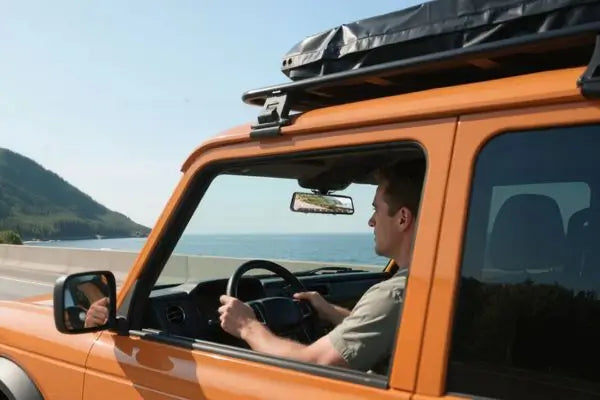
When you're camping or sleeping in your vehicle, you're dealing with two different situations: driving on dark roads and staying parked overnight. A dash cam with strong road‑facing low‑light performance helps you capture clear evidence while you're moving, and an IR cabin camera can keep recording inside the vehicle when it's completely dark. Together, they give you more complete coverage—from the moment you pull into a remote campsite to the hours you spend parked and resting.
Outdoor trips and camping often mean leaving your vehicle parked in remote places—sometimes overnight. In those situations, the right parking/security features can make a big difference in what gets recorded and what gets saved.
A built‑in G‑sensor can detect sudden bumps or impacts. If your vehicle is hit or jostled, the dash cam can lock the current clip so it won't be overwritten by loop recording—helping preserve the moments right before and after the event.
Time‑lapse mode can record long parked periods more efficiently by capturing frames at set intervals. It's a practical way to review overnight parking footage faster while using less storage than continuous recording.
If you hardwire your dash cam for parking use, choose a setup with a low‑voltage cutoff. This helps the camera shut down before your car battery drops too far, so it won't drain your car's battery.
If you want safety, clear video, and good features for driving at night and in the great outdoors, these five dash cams are the best.
Built for off-road adventures, the WOLFBOX G900TriPro Bumper Version stands out with an innovative front bumper camera that helps you spot obstacles ahead when the road gets rough. With a 3‑channel setup, it delivers broader coverage for night driving, camping trips, and remote stops. You also get convenient app control, GPS tracking, and parking protection features—so your drives and overnight stops are better documented from start to finish.
Feature |
Specification |
Resolution |
4K Front + 2.5K Rear + 1080p Bumper |
Screen Size |
12-inch IPS touch mirror |
Sensor Type |
Sony IMX678 + OmniVision OS04J10 |
Parking/Safety |
Collision detection + parking monitoring |
Special Trait |
3-channel bumper camera setup |
The WOLFBOX G900TriPro Cabin Version is designed for drivers who want full coverage—on the road and inside the vehicle. With a 3‑channel setup (front, rear, and cabin), it's a strong fit for night driving, rideshare use, family trips, and overnight stops where cabin recording adds extra peace of mind. It also includes convenient features like app control, GPS tracking, and hands‑free voice control, plus parking protection when your car is stationary.
Feature |
Specification |
Resolution |
4K Front + 2.5K Rear + 1080p Cabin |
Screen Size |
12-inch IPS touch mirror |
Sensor Type |
Sony IMX678 + OmniVision OS04J10 |
Cabin Night Recording |
4 IR Lights |
Parking Protection |
24H parking monitoring |
Special Trait |
3-channel interior IR camera |
The REDTIGER F17 Elite is positioned as a 3‑channel dash cam built for drivers who want stronger coverage in low light and at night. It focuses heavily on "full‑night color" recording and convenience features like touchscreen control, app connectivity, and hands‑free operation, making it a contender for anyone prioritizing nighttime visibility and always‑on style coverage.
Feature |
Specification |
Resolution |
4K + 2.5K + 1080P |
Screen Size |
3.18-inch IPS display |
Sensor Type |
Sony STARVIS 2 IMX678 + Sony STARVIS 2 IMX675 + Sony STARVIS IMX307 |
Night Recording |
24/7 Ultra-Color |
Parking Recording |
24H time‑lapse recording + G-sensor |
The Vantrue N4 Pro is best for you if you want coverage in every direction. The Sony STARVIS 2 sensor in the front provides very clear night vision, and you get a small smart screen to review footage directly.
Feature |
Specification |
Resolution |
4K Front + 1080p Cabin + 1080p Rear |
Screen Size |
3.19-inch display |
Sensor Type |
Sony STARVIS 2 (front) |
Special Trait |
3 channels, IR cabin camera |
The VIOFO A229 Pro 2CH is a strong pick for drivers who prioritize clearer footage at night and more consistent exposure control in tricky lighting—like oncoming headlights, glare, and rapid transitions in and out of tunnels. It's built around a dual‑camera setup with premium imaging hardware, plus practical features like app access, GPS logging, and hands‑free controls.
Feature |
Specification |
Resolution |
4K Front + 2K Rear |
Screen Size |
No screen |
Sensor Type |
Sony STARVIS 2 IMX678 + Sony STARVIS 2 IMX675 |
Glare Reduction |
CPL filter included |
To avoid blurry or shaky recordings, you need more than just the dash cam itself. You need the right setup.
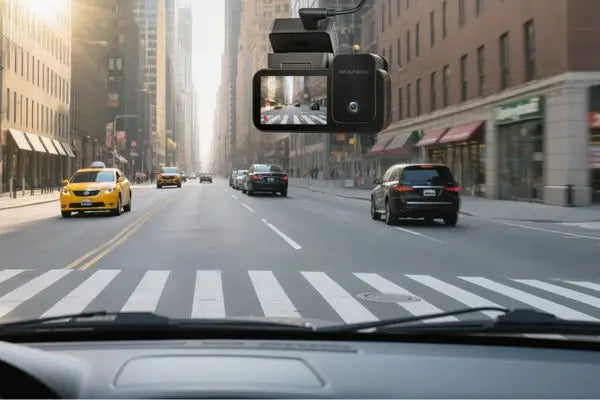
For a traditional windshield‑mounted dash cam, the most stable spot is usually high on the windshield, just behind the rearview mirror. This position captures the road clearly without blocking your view and helps reduce vibration on rough roads. Clean the glass first, press the mount firmly, and give the camera a quick shake test to make sure it won't wobble over potholes or washboards.
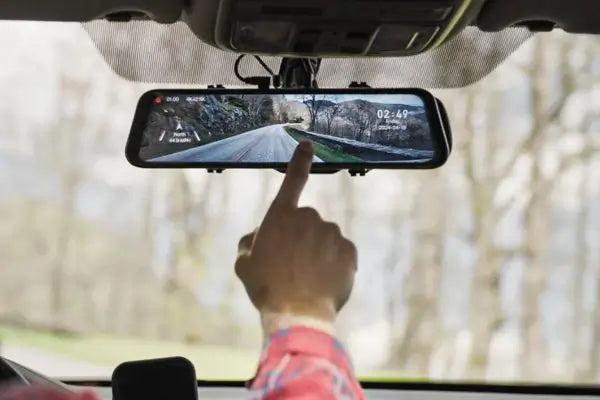
If you're using a WOLFBOX mirror dash cam, the setup is different because the unit straps over your factory rearview mirror. Center the mirror display, tighten both straps evenly, and make sure it can't shift when you hit bumps—small movement can create constant micro‑vibration and softer footage at night. Before you tuck any cables, power it on and adjust the front camera angle so you're capturing the road (not too much sky or hood). Once the angle looks right, secure everything and do a quick bump test to confirm the mount stays solid.
Always clean the inside and outside of your windshield before you start your trip. Fingerprints, grease, or dust can cause glare and make starburst shapes in your video. If you want better night vision, look for dash cams that support polarizer filters, which cut out some reflections in daylight or from dashboard lights.
When you set up your dash cam, start by turning on HDR or WDR. This helps balance out bright spots at night. Set the video loop option to about three minutes if you want easier file management. Always turn on the audio so you can say details (like license plates) if you see anything important while off-roading.
When you go shopping for your next dash cam for night driving, make sure to bring this list with you:
Night driving footage fails for a few predictable reasons: not enough ambient light, extreme contrast from headlights, vibration on rough roads, and windshield glare. The fix usually isn't a single "night mode"—it's choosing the right combination of hardware and settings.
When you're shopping for the best dash cam for night driving, prioritize a high‑quality image sensor, real HDR/WDR performance, a wide‑aperture lens, and reliable parking protection if you camp or stop in remote areas. Then make the setup count: mount it securely, keep the glass clean, and dial in your settings before your next trip.
If you're looking for a device built for outdoor travel and overnight stops, WOLFBOX is a strong brand to consider, especially if you like the practicality of a mirror dash cam for real‑world night driving.
Yes, dash cams with advanced sensors like Sony STARVIS do very well in the dark, recording clear video on backroads that aren't lit up at night.
The image sensor and HDR/WDR technology matter most. STARVIS sensors collect more light, and HDR/WDR balances glare and shadows.
Absolutely. Your car is safe in remote areas thanks to security features like motion and G-sensors that record any events while you sleep or hike.
WOLFBOX dash cams are great for adventures because they have strong sensors, are easy to install, and work well in all kinds of light.

